Treat CB radio as an extra. Nobody is promised to be listening, so it cannot be your main way to get help. In an emergency, call 999 from your phone. If the mobile network is down, see keeping your phone going.
What to do
-
Know which rules your set meets
The regulations exempt CB equipment that meets Ofcom’s requirement for it. Read your set’s manual, and check Ofcom’s CB page for the current rules.
-
Agree a channel with people you know
CB only works if someone else has a set and is on the same channel. Agree the channel with them now, and who will call whom.
-
Agree a time to listen
A set left switched on all day is no use if the power supply runs out. Agree when you will each listen, for example for a few minutes on the hour.
-
Plan for power
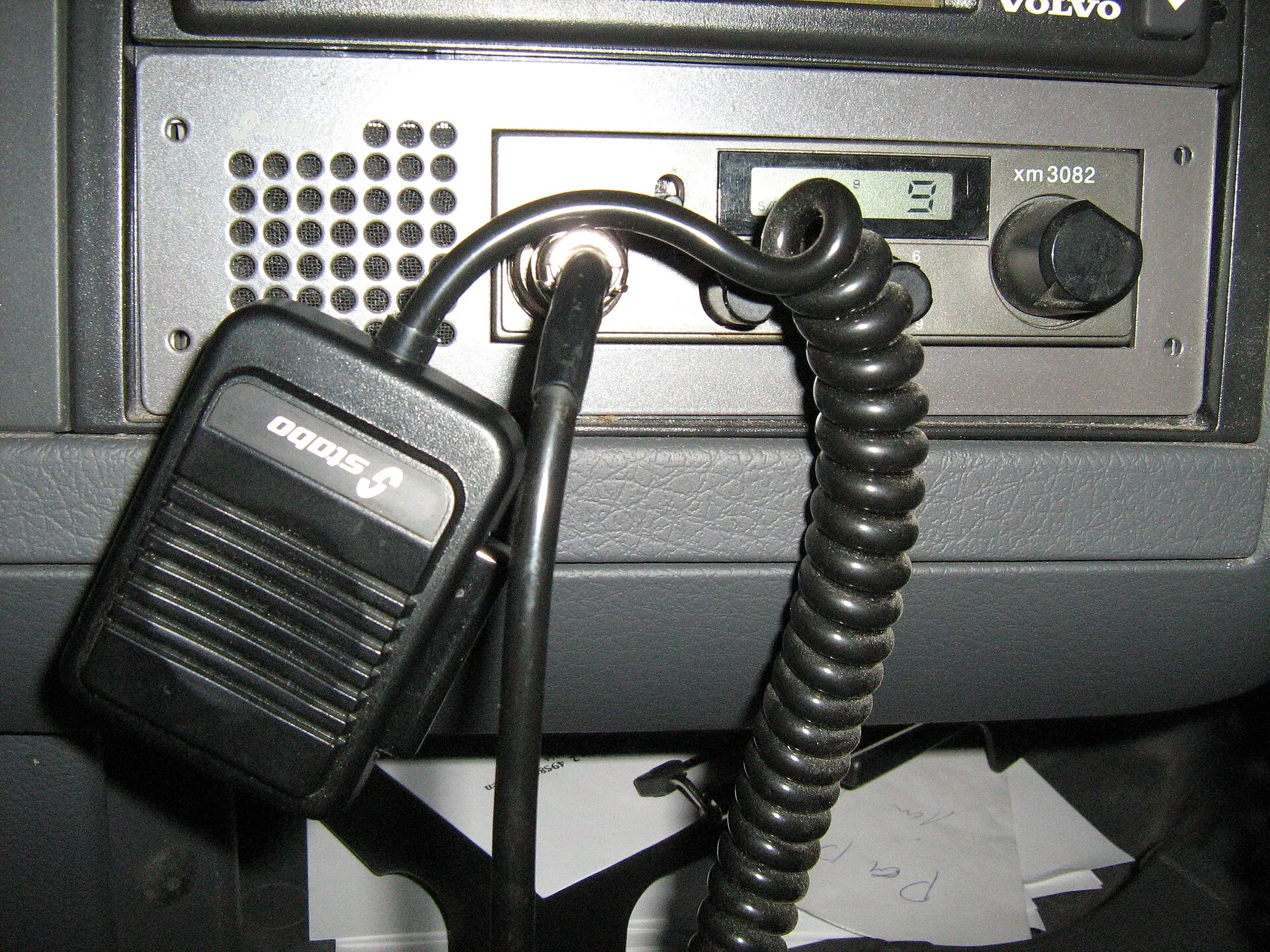
A set needs a power supply of its own, so check your manual for what it uses and keep spare batteries or a charged supply with it. If you plan to use a vehicle, read the safety box below.
For news about the power cut, use a radio that receives broadcasts. Our guide to emergency broadcasting in the UK and the radio finder can help. For a wider choice of ways to keep in touch, see talking when the networks are down.
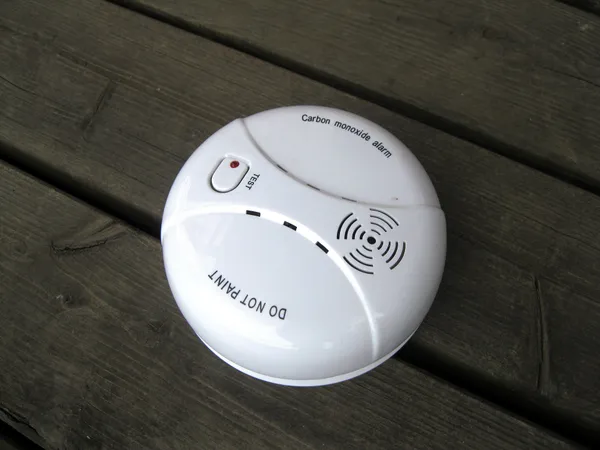
If you power a set from a vehicle, do not run the engine in a garage or other enclosed space. Fire and rescue services say not to run a car engine in a closed garage. Warwickshire says not to leave one running in a garage even with the door open. Do not warm up a vehicle in an enclosed space. Read our guide to carbon monoxide alarms for the signs of poisoning and what to do.
What the law says, in plain words
You do not need a licence to use CB equipment that meets the rules. The Wireless Telegraphy (Exemption) Regulations 2021 cover the whole of the UK. Regulation 9 exempts CB apparatus that meets Ofcom’s requirement for AM, SSB and DSB use (IR 2027.2), as long as it does not cause or contribute to any undue interference to any wireless telegraphy.
Ofcom sets the technical limits in two interface requirements:
- FM: IR 2027 covers FM, which Ofcom calls angle modulation: 40 channels at 4 W.
- AM: IR 2027.2 covers AM: double sideband (DSB) at 4 W, and single sideband (SSB) at 12 W measured as peak envelope power.
Ofcom’s CB guidance (March 2018) says CB equipment should carry the CE marking. Older equipment that was type-approved before April 2001 may still be used.
Using a transmitter without a licence or an exemption is unlawful under section 8 of the Wireless Telegraphy Act 2006. So equipment that does not meet the requirements is not covered by the CB exemption. The regulations do not give CB any special status in an emergency.
The interface requirements, not the regulations, hold these limits. Ofcom publishes them on its website, and its CB page covers CB. Our guide to talking when the networks are down explains the law on transmitting more widely.
If you are not sure about your set
My set is old, or I do not know what it meets
Look in the manual, then at Ofcom’s CB page for the current rules. If you cannot tell, do not transmit with it until you can.
Nobody answers
Nobody may be listening on that channel. Try the channel you agreed, at the time you agreed. If you need help, do not wait for a reply: use your phone to call 999, or move to where there is a signal.
Sources and last checked
We checked the legislation and fire service pages on 28 October 2026. The Ofcom figures were read by our editors on 26 October 2026. The sources are listed at the top of the page.
Sources
- legislation.gov.uk, The Wireless Telegraphy (Exemption) Regulations 2021 (SI 2021/493), regulation 9
- legislation.gov.uk, Wireless Telegraphy Act 2006, section 8
- Ofcom, Citizens' band radio
- Ofcom, IR 2027: CB radio, angle modulation (read by HQ, 26 October 2026)
- Ofcom, IR 2027.2: CB radio, AM, DSB and SSB (read by HQ, 26 October 2026)
- Ofcom, Citizens’ band radio guidance, March 2018 (read by HQ, 26 October 2026)
- Nottinghamshire Fire and Rescue Service, Carbon monoxide
- Bedfordshire Fire and Rescue Service, Carbon monoxide dangers
- Warwickshire County Council, Safe home heating: carbon monoxide (CO) safety
- Photo: CB radio in a lorry cab, Wikimedia Commons, public domain