Write your important numbers on paper, agree where you will meet, and know who you will check on. That plan needs no signal and no batteries. In an emergency, call 999. Radios can add a way to talk or to hear the news, but each has its own rules, and each only works if you set it up before you need it.
If your phone has stopped working
-
Try a message instead of a call
Be Ready says messaging may work even when calls do not. Moving a short distance can sometimes improve your signal.
-
In an emergency, call 999 or 112
If you cannot get through, try both a mobile and a landline. Emergency calls from a mobile connect to any available mobile network.
-
If you still cannot get through, go for help
Only if it is safe to do so, go to your nearest police station, fire station, ambulance station or hospital.
-
Check on your neighbours
Look in on anyone who lives alone or may need extra support. See checking on a neighbour.
-
Listen to a battery radio
Updates may be given on the radio during an outage. See emergency broadcasting in the UK.
An outage might affect only certain networks or all of them. Be Ready says some people can lose service even if others nearby do not. For battery tips, landlines and what keeps working, see keeping your phone going in a power cut.
Make a plan before it happens
Add these to your household plan. The radio finder lists the stations near you.
Four radio options
These need a radio at each end, set up beforehand. Read the guide for the option that suits you before you buy anything.
| Option | Licence | What it does |
|---|---|---|
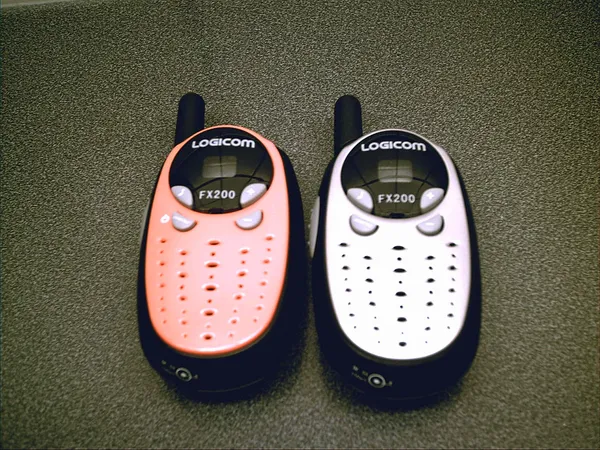
| PMR446 walkie-talkies | Ofcom says compliant handsets may be used on a licence-exempt basis, on a mobile basis only. | Hand-held walkie-talkie handsets. |
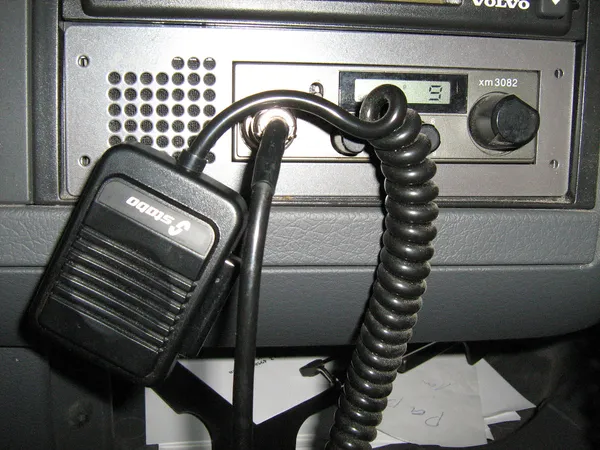
| CB radio | Exempt from the licence rule if the equipment meets Ofcom’s requirements and causes no undue interference. | Radios for the citizens’ band service. |
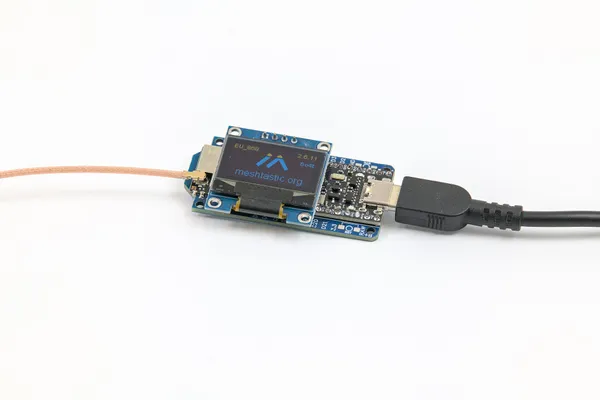
| Meshtastic | Short range devices that meet Ofcom’s IR 2030 and the regulation’s other conditions, including no undue interference, are exempt. The regulation names no product. | Text messages between radios with no internet or mobile signal. Other radios can pass a message on. You write and read on a phone paired with the radio. |
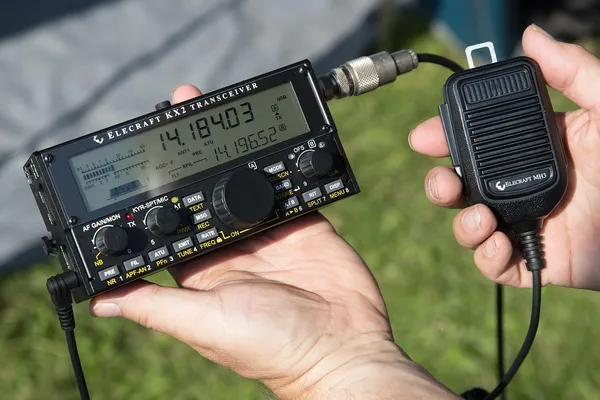
| Amateur radio | You need a licence from Ofcom to transmit. Anyone can listen. | Works on battery power. Does not rely on the electrical power grid or any cabled network. |
- PMR446 walkie-talkies and the licence exemption
- CB radio in a power cut
- Meshtastic off-grid messaging
- Amateur radio and RAYNET-UK
Suppose your street loses power and your mobile has no signal. Your paper list, your meeting point and your neighbours still work. A walkie-talkie, CB radio or Meshtastic radio needs another radio to talk to, so plan to set both up in advance.
The law in plain words
Use only equipment that meets the licence-exempt rules for its type, and do not transmit on amateur or other licensed bands unless you hold a licence. If you need help, call 999.
This is a plain summary, not legal advice. The detail is in the sources linked below.
- Section 8 of the Wireless Telegraphy Act 2006 makes it unlawful to set up or use a radio station, or to install or use radio apparatus, except under an Ofcom licence. It applies across the UK.
- The section lists one exception of its own, for receiving television programmes. It also lets Ofcom exempt classes of equipment by regulations. It names no exception for an emergency.
- Breaking the rule is an offence under section 35.
- The Exemption Regulations 2021 exempt CB radio that meets Ofcom’s requirements (regulation 9) and short range devices that meet Ofcom’s IR 2030 (regulation 4). Both must cause no undue interference, and short range devices have further conditions.
- The RSGB says anyone can listen to the amateur bands, but you need a licence to transmit on them. RAYNET-UK is the national voluntary communications service provided by licensed radio amateurs. Its local groups liaise with the emergency services, local authorities and other voluntary agencies.
Hearing the news
Keep a battery or wind-up radio. Be Ready says to search for stations that are still broadcasting and to try FM and digital modes. The emergency broadcasting guide covers which stations to try.
If something goes wrong
I cannot get through to 999
Try calling from both a mobile and a landline. If you still cannot get through and it is safe to do so, go to your nearest police station, fire station, ambulance station or hospital. If you use Relay UK, Emergency SMS or 999 BSL, Be Ready says these may also be affected in a widespread outage. Seek help directly from emergency responders in the same way.
My landline does not work
A corded landline might still work in a power cut. If your only way of making emergency calls is a landline, contact your landline provider to find out whether it will work, and whether it can offer you a back-up. See keeping your phone going.
My battery radio finds nothing
Search for stations that are still broadcasting, and try FM and digital modes. A car radio can also be used, but in severe weather it may be safer to stay inside.
I am not sure whether I may use a radio
Do not transmit until you are sure. Read the guide for that type of radio, and check that the equipment meets the licence-exempt rules for its type. The RSGB says anyone can listen to the amateur bands.
Sources
- Cabinet Office, Be Ready: Phone and broadband outages
- Cabinet Office, Be Ready: Power cuts
- legislation.gov.uk: Wireless Telegraphy Act 2006, section 8
- legislation.gov.uk: Wireless Telegraphy Act 2006, section 35
- legislation.gov.uk: Wireless Telegraphy Act 2006 (whole Act)
- legislation.gov.uk: The Wireless Telegraphy (Exemption) Regulations 2021, SI 2021/493
- Ofcom: Analogue and Digital PMR446 information sheet (February 2018)
- Meshtastic documentation: Introduction (version 2.8)
- Meshtastic documentation: Overview (version 2.8)
- RSGB: Becoming a radio amateur FAQ
- RSGB: Emergency communications
- RAYNET-UK: Frequently asked questions
- Photo: corded phone on a side table, Annie Spratt, Unsplash