The best time to check on a neighbour is before anything goes wrong. Agree a plan now: swap numbers, ask what help they might need and decide who knocks on whose door. Then, in a cold snap, a heatwave, a power cut or a flood, you already know who to look in on and what to do.
Agree a plan before anything happens
-
Say hello and swap numbers
Be Ready, the UK Government’s emergency preparedness campaign, says to swap contact details with neighbours and to consider an instant messaging group or other closed online network for your street or building.
-
Ask what help they might need
Be Ready suggests asking whether a neighbour has additional medical needs, is new to the area, cannot use the internet or technology well, or does not speak or read English well. Talk to them about the help available and how you can support them.
-
Agree a backup
For anyone who might need extra support, particularly if they live alone, Be Ready says you could agree that if an outage happens and you cannot call, you or another trusted person they know will visit in person. You can also speak to the neighbours of anyone you would be worried about and agree that they will check on them.
-
Think about a spare key
Be Ready lists a spare key held by a trusted neighbour as one way to arrange access to a home in an emergency.
-
Write the numbers on paper
Be Ready’s checklist says to write down the contact details of who you would need to contact in an emergency, including anyone who might need checking on. Your household plan is a good place to keep them.
Who might need a check
Anyone can be caught out. These are the people the sources list as most at risk.
| Situation | Who may need a check |
|---|---|
| Cold weather | Be Ready lists older adults; people with long-term health conditions, including a mental health condition; pregnant people; babies and young children; people with learning disabilities; people at risk of falls; people who live alone and may be unable to care for themselves; people who are housebound or have low mobility; and people experiencing homelessness. |
| Hot weather | Be Ready includes older adults; babies and young children; pregnant people; people with underlying health conditions, particularly heart and breathing problems, dementia, diabetes, kidney disease, Parkinson’s disease or mobility problems; people who live alone and may be unable to care for themselves; and people in top-floor flats or homes with limited windows. |
| Power cuts | Be Ready says older adults, babies and young children, and people with long-term health problems are most likely to become ill if they get too cold. It also asks anyone who uses medical equipment that needs power to make a plan with their care team. |
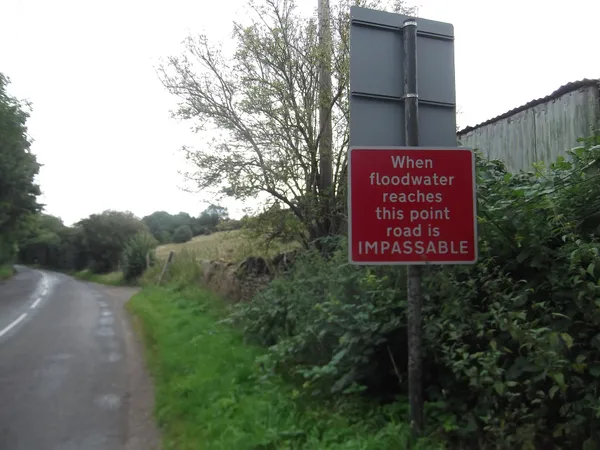
| Floods | Be Ready says the people most at risk are those who live in a flood risk area. Someone with a disability, or who needs extra help, can ask for flood warnings to be sent to a friend or relative. In England, GOV.UK says to ask Floodline. |
When you check in
Check how they are feeling, then offer practical help. The British Red Cross says to consider checking on neighbours if you feel safe and are able to do so.
In a power cut. Be Ready says to report a power cut on your network operator’s website. If you cannot report it online, call 105 for free in England, Scotland and Wales, or 03457 643 643 in Northern Ireland. The extended power cuts guide and the preparing for power cuts guide cover the rest.
In cold weather. Be Ready says to make sure family, friends and neighbours at higher risk know the actions to keep themselves safe. See snow, ice and frozen pipes.
In hot weather. nidirect says older people living on their own should be visited daily to check they are well. Public Health Wales says that a knock at the door, a phone call or a text message can make a critical difference to someone who may not be able to ask for help. The NHS says to check the temperature of rooms where people at higher risk live and sleep. See heatwaves at home.
In a flood. The flood warning guide explains the warnings. If a neighbour is asked to evacuate, Be Ready says to remind them to follow the advice of the emergency services.
Signs that someone is unwell
If you see these signs, act on them. The NHS pages below are written for England; the numbers to call in each nation are in the next section.
| Condition | Signs | What to do |
|---|---|---|
| Hypothermia (too cold) | Shivering; pale, cold and dry skin; slurred speech; slow breathing; tiredness or confusion. | Go to A&E or call 999. Do not drive to A&E: ask someone to drive you, or call 999 and ask for an ambulance. |
| Heat exhaustion | Tiredness, dizziness, headache, feeling or being sick, heavy sweating with pale, clammy skin, cramps, a high temperature, being very thirsty, feeling irritable. | Cool them down and give them fluids. They should start to feel better within 30 minutes. If you are struggling to treat it, get advice from the service for your nation (see who to call, by nation, below). |
| Heatstroke | A very high temperature; hot skin without sweating; fast breathing and a fast heartbeat; confusion and restlessness; a seizure; loss of consciousness. Still unwell after 30 minutes of cooling is also a sign. | It is a medical emergency. Call 999. Do not drive yourself to A&E. |
What to do while you wait for help
The NHS says to stay with the person until help arrives. If you are in a dark house, turn on lights and open curtains. Call 999 again if their condition changes. Lock away family pets. If you can, write down their GP’s details and collect any medicine they take, and tell the paramedics about any allergies you know of.
For hypothermia, the NHS says to move the person indoors or somewhere sheltered as quickly as possible. Remove any wet clothing and wrap them in a blanket, sleeping bag or dry towel, with their head covered. If they are fully awake, give them a warm non-alcoholic drink and some sugary food. Keep them awake by talking to them. Do not use a hot bath, hot water bottle or heat lamp, do not rub their arms, legs, feet or hands, and do not give them alcohol.
For heatstroke, the NHS says to wrap the person in a cool, wet sheet, or fan them or sponge them down with cold water. If they lose consciousness, put them in the recovery position and tell the ambulance service.
Who to call, by nation
Call 999 in every nation if someone’s life is in danger. Be Ready says to call 999 if you or someone else is in immediate danger.
For a health worry that is not an emergency, the number depends on where you live.
| Nation | If it is not an emergency | If a life is at risk |
|---|---|---|
| England | NHS 111, online or by phone. The NHS says it can direct you to the best place to get help if your GP is closed. | Call 999. |
| Scotland | NHS 24 on 111, free. NHS 24 says to phone if you think you need A&E but it is not life or limb threatening, or if your GP practice, pharmacy or dental practice is closed. | Call 999. |
| Wales | NHS 111 Wales on 111, free from landlines and mobiles. | Call 999. |
| Northern Ireland | If the GP surgery is closed and the need is urgent, phone your area’s GP out of hours service first. nidirect lists the numbers by area. | Phone 999 and ask for the ambulance service. |
Be Ready also says a local pharmacist or GP can offer advice if you are worried about someone else’s health.
Nobody answers the door
Try the numbers you swapped, and the person you agreed would check in if calls fail. That is what the plan is for. If you think someone is in immediate danger, call 999.
They need more help than a neighbour can give
If someone relies on power for medical reasons, or may need extra help in a power cut, they can join their energy companies’ free registers. In England, Scotland and Wales this is the Priority Services Register. In Northern Ireland the registers are called Customer Care Registers. Who can join and how is in the Priority Services Register guide.
If a neighbour uses a telecare device or other alerting service, Be Ready says it might not work without electricity or internet, and to make a plan with a neighbour or someone else they trust to check on them if they have not heard from them.
For more on supporting someone from a distance, see older relatives living alone.
Sources
- Be Ready: Be ready for emergencies
- Be Ready: Advice for disabled persons and carers
- Be Ready: Power cuts
- Be Ready: Cold weather, snow and ice
- Be Ready: Hot weather and heatwaves
- Be Ready: Flooding
- GOV.UK: Prepare for flooding
- British Red Cross: What to do in a power cut
- NHS: Hypothermia
- NHS: Heat exhaustion and heatstroke
- NHS: Heatwave, how to cope in hot weather
- NHS: When to call 999
- NHS: When to use NHS 111 online or call 111
- NHS 24 (Scotland)
- NHS 111 Wales: Contact us
- nidirect: GP out of hours service
- nidirect: Urgent and emergency care services
- nidirect: Looking after yourself in very hot weather
- Met Office: Hot weather and its impacts
- Public Health Wales: advice to stay safe as red weather warning issued (22 June 2026)
- Photo: neighbouring front doors, Gleren Meneghin, Unsplash