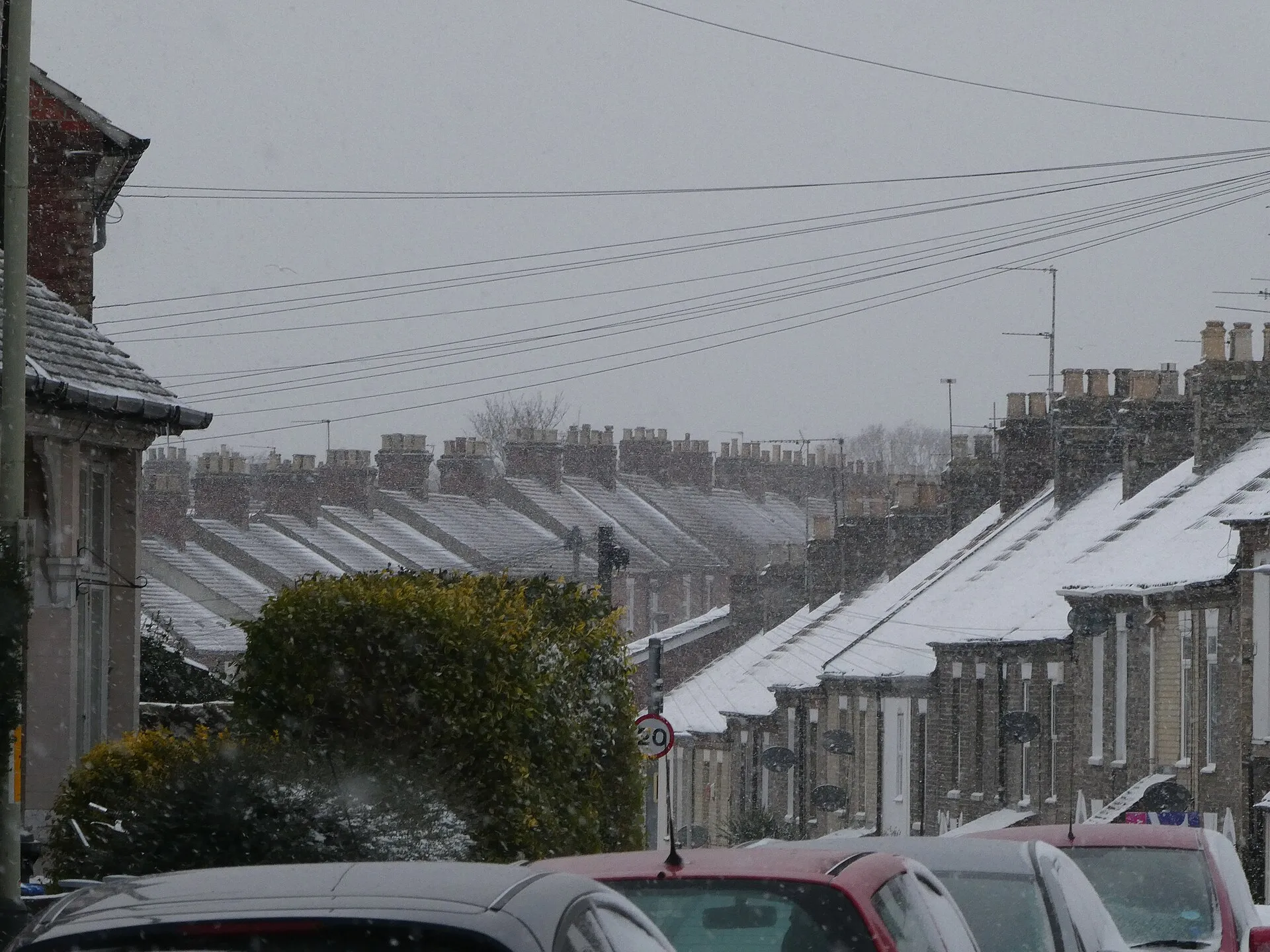
Cold weather causes two problems at home: you get cold, and your pipes can freeze. Both are easier to deal with before the cold arrives. Lag exposed pipes, know where your stop tap is, and heat the rooms you use. If a pipe does freeze or burst, turn the water off at the stop tap first, then follow the steps below.
Before the cold arrives
The rest of this guide explains each step.
Keep your home warm
Public Health Wales says cold weather can make some health problems worse. The advice differs a little between the four nations, because it comes from different bodies. It overlaps, and 18°C comes up in all of them.
This diagram in words
England: UKHSA says to heat the rooms you spend a lot of time in to at least 18°C. Scotland: Home Energy Scotland recommends setting your thermostat between 18°C and 21°C. Wales: Public Health Wales says around 18°C in a bedroom and 21°C in a living room. Northern Ireland: the Public Health Agency says to heat the main living room to around 18 to 21°C and the rest of the house to at least 16°C if you can. A baby’s room: the NHS says between about 16 and 20°C.
UKHSA’s evidence is that below 18°C, effects on health start to appear. Read 18°C as the point below which the risk rises, not as a danger point. If you cannot heat every room, heat the ones you use. Our extended power cuts guide covers how warm is warm enough, and how to keep warm when you cannot heat your home.
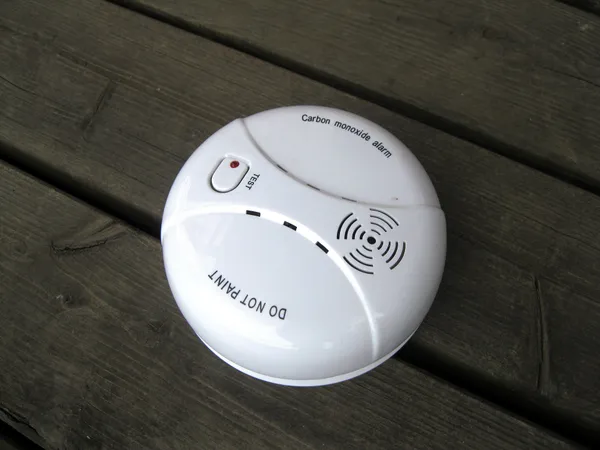
Never use a hob or oven to heat your home. The Met Office says it can increase carbon monoxide levels. Our carbon monoxide alarms guide explains what to fit and where.
Babies and people at higher risk
The NHS says to keep a baby’s room between about 16 and 20°C, checked with a room thermometer. A baby should never sleep with a hot water bottle or electric blanket, or next to a radiator, heater or fire.
The NHS lists people aged 65 and older, babies and children under 5, people on a low income, people with a long-term health condition, people with a disability, pregnant women and people with a mental health condition as more vulnerable to the effects of cold. Be Ready also lists people who live alone and may be unable to care for themselves. Check on them in cold weather. Our Priority Services Register guide explains the free support your suppliers can offer, including Northern Ireland’s Customer Care Registers.
Hypothermia
The NHS says hypothermia is a dangerous drop in body temperature below 35°C. It is a medical emergency.
If you think someone has hypothermia, call 999. The NHS says not to drive to A&E: ask someone to drive you, or call 999 and ask for an ambulance. In Northern Ireland, phone 999 and ask for the ambulance service.
Our extended power cuts guide lists the signs and what to do while you wait for help.
If the power goes off
Be Ready says gas ovens, boilers, heat pumps and your home internet won’t work without power. It says to keep warm with blankets and layered clothing, keep the doors of unused rooms closed and close the curtains to keep the heat in. Our guides to preparing for power cuts and extended power cuts cover the first hours and the days after.
Stop your pipes freezing
Water expands as it freezes. NI Water explains that the ice increases pressure on the pipes and joints, which often causes them to split or the joints to pull apart. A thaw is when the damage can show: Thames Water says a frozen pipe may crack or burst when the temperature rises.
Welsh Water says that pipes and taps that are outdoors, or in cold places like lofts or garages, are the most likely to freeze.
This diagram in words
A side view of a house with a loft under the roof and an attached garage on the right. In the loft is a water tank (1), with a pipe running down to a kitchen cabinet (2). The garage (3) has a pipe on its wall. An outside tap (4) is on the outer wall on the left.
What to do now
- Lag pipes and tanks in cold places. Severn Trent says lagging your pipes is one of the best things you can do. Protect any pipes exposed to cold, such as those in lofts, garages or outside. NI Water says to leave no gaps in the insulation at bends, valves or fittings, and that even with lagging, extreme weather can still freeze water in pipes. Without lagging, the chance is greatly increased.
- Insulate the tank, but not underneath it. WaterSafe says to fit your water tank with an insulation jacket, or wrap the top and sides with suitable insulation, but not to put loft insulation under the tank, because heat from the rooms below helps to keep the water in the tank from freezing.
- Cover outdoor taps and lag the exposed pipe leading to them, as Severn Trent advises. Welsh Water says not to leave a hose attached. Turn off the valve for an outside tap, which may be inside, and drain down the tap and pipes.
- Fix dripping taps. NI Water says a small trickle can freeze and completely block the pipe.
- Protect a meter in an outside cupboard. United Utilities says to pack the cupboard with insulation material and insulate the pipes leading into it.
- Let warm air reach cold pipes. The Met Office says that opening kitchen and bathroom cabinet doors lets warmer air circulate. NI Water says that if tanks or pipes are in the roof space, opening the loft hatch lets warm air circulate, but only as a temporary measure because it causes condensation. Tanks and pipes should be insulated.
Know your stop tap
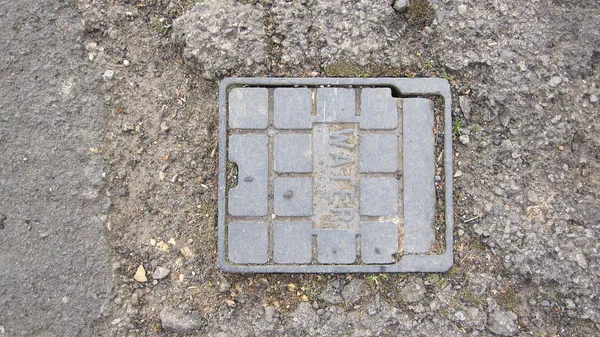
The stop tap, also called a stop valve or stopcock, turns off the water into your home. Thames Water says it is usually just after the water pipe enters the house, often under the kitchen sink. Turn it clockwise to close it. The Met Office says to check that it works every six months, and NI Water says to turn it slowly and never force it.
If you are going away
- Leave the heating on low. The Met Office, NI Water and United Utilities all say so. United Utilities says low or on a frost setting.
- Know your boiler’s frost protection. Scottish Water says most modern boilers have frost protection built in, which fires up the central heating if needed even when the heating is off, and that your boiler must be powered on for it to work.
- Consider turning off the water at the stop tap and draining the system. Welsh Water says to do this if you are leaving your home. NI Water says it is advisable if a property is empty for a long time. United Utilities says to check with a qualified heating engineer whether turning off the water will affect your heating.
- Ask a neighbour to check the house.
If a pipe has frozen
A frozen pipe often has a coat of frost on the outside, and the water from your taps may slow to a trickle, says Thames Water. If you have no water, check whether your neighbours have water. If they cannot run their taps either, Severn Trent says there may be a supply interruption in your area. In that case, contact your water company. In Wales, Welsh Water’s number is 0800 052 0130. Our guide to when the water supply is cut explains what happens next.
If neighbours have water and you do not, your pipes have probably frozen.
-
Turn off your stop tap
Turn it clockwise, then leave it off while you thaw the pipe.
-
Follow your own water company's advice on taps
Water companies give different advice here. Thames Water and the Met Office say to open a cold tap near the frozen pipe, so the pressure eases and water can escape as the pipe thaws. Scottish Water says to open cold taps only and never the hot, because a hot water cylinder may collapse if the pipes leading to it are frozen. Welsh Water says to drain the cold water system only. NI Water says not to leave taps dripping or running. Follow the advice from your own water company.
-
Warm the pipe slowly
Welsh Water says to use hot water bottles or a towel soaked in hot water. Thames Water says a wrapped hot water bottle or warm towels. NI Water says to start from the end nearest the tap, and also mentions a hair dryer on its lowest setting, and says not to warm the pipe too quickly. Severn Trent says to keep moving the source of heat along the pipe.
-
Never use a flame
Welsh Water and NI Water say not to use a naked flame or blowtorch. Scottish Water says never to apply a direct flame, and not to try to thaw pipes by switching on the immersion heater or central heating boiler.
-
Check for leaks before turning the water on
Thames Water says to run a dry cloth along the pipe. If there is water on the cloth, watch for a few minutes. If water keeps coming, you probably have a leak and need a plumber, and Thames Water says to leave the water off until it is fixed.
-
Call a registered plumber if you are unsure
Welsh Water says to call one at any point if you are unsure of anything.
Welsh Water says that if pipes in your home or garden are frozen, it is your responsibility. NI Water says the same for all pipework within your boundary. If you have checked your pipes and none are burst or frozen but you still have no water, tell your water company. In Northern Ireland, NI Water says to contact it on 03457 440088.
If a pipe has burst
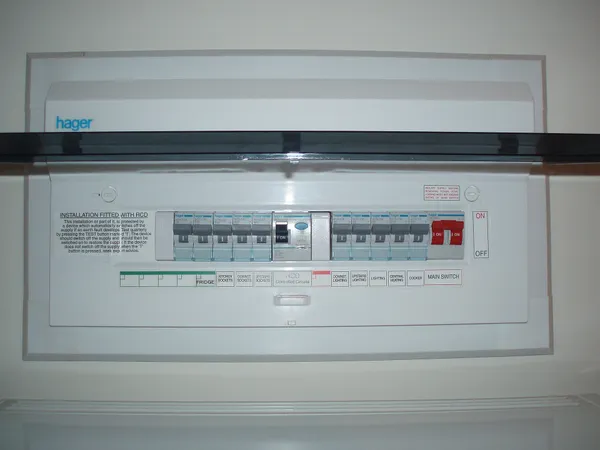
If water has leaked near your electrics, do not touch them. The Met Office says to switch them off at the fuse box. Thames Water says to switch off at the mains. Our fuse box guide shows where the main switch is.
-
Turn off the water at the stop tap
Turn it clockwise. Scottish Water says the stop tap is where the water supply enters your home, and that it is most often under a sink, in a garage or near the hot water system.
-
Turn off the heating
Thames Water says to turn off the heating. The Met Office says to switch off the boiler. Scottish Water adds the immersion heater, and says to let any solid fuel fires die down.
-
Open the taps to drain the system
Thames Water, Welsh Water, NI Water, the Met Office and Scottish Water all say to open the taps. Scottish Water says to open all hot and cold taps for a burst pipe.
-
Soak up the water
Use thick towels to soak up or block escaping water, as Welsh Water and NI Water advise.
-
Call a WaterSafe plumber and your insurer
The Met Office gives WaterSafe’s number as 0333 207 9030. Thames Water says to check with your home insurance company whether you are covered for leaks and bursts.
Scottish Water says that once the pipe is repaired, make sure your hot water system is refilled before you re-light the boiler or switch on the immersion heater. If you live in a flat, terraced or semi-detached home, Scottish Water says you may have a shared water supply: check with your neighbours that turning off the water has not affected their supply.
Snow and ice around your home
The Met Office says to start clearing snow and ice in the morning if possible, then use salt or sand, not water. Water may refreeze as black ice.
The Met Office says a tablespoon of salt for each square metre you clear should work.
A path 1 metre wide and 10 metres long is 1 × 10 = 10 square metres. At a tablespoon a square metre, that is 10 × 1 = 10 tablespoons. This sum is worked out from the Met Office figure.
- Do not use salt from salting bins, the Met Office says.
- Keep salt off plants and grass, where it may damage them.
- Put the snow where it will not block paths or drains.
- Take extra care on steps and steep paths. In Northern Ireland, nidirect says these may need more salt.
- Offer to clear a neighbour’s path when you clear yours.
Clearing the pavement outside your home is allowed. The Met Office says it is unlikely you’ll be sued or held legally responsible for injuries if you have cleared the path carefully. nidirect says the same for Northern Ireland: there is no law stopping you from clearing snow and ice from the footway outside your home, and if you do it carefully you are unlikely to be held liable.
Getting about
- Allow extra time. The Met Office suggests leaving the house five minutes earlier than usual.
- Wear footwear with good grip. UKHSA and the Met Office both say so. The Met Office adds that pavements along main roads are likely to be less slippery.
- Avoid driving in heavy snow and icy conditions if you can, says the Met Office. If you do go, always take a fully charged mobile phone and an in-car charger.
- Pack essentials in the car in case you get stuck, as Be Ready advises.
In Northern Ireland, nidirect lists 0300 200 7899 to report an ice or snow issue, and 999 or 112 for emergencies.
Cold alerts and payments, by nation
Two kinds of warning matter in cold weather. The Met Office’s weather warnings cover the whole UK and include snow and ice. Our guide to getting ready for a storm explains the colours. Separately, UKHSA’s Cold-Health Alerts cover England only. UKHSA says they focus on the health effects of weather. The Met Office says health alerts will often differ from its weather warnings. The Met Office says the Cold-Health Alerts focus on 1 November to 31 March each year.
| Nation | Cold-health alerts | Cold Weather Payment |
|---|---|---|
| England | UKHSA Cold-Health Alerts, with yellow, amber and red levels | £25 for each 7-day period of very cold weather, if you get certain benefits. Paid automatically. Check your postcode on GOV.UK |
| Scotland | UKHSA Cold-Health Alerts cover England only | You cannot get Cold Weather Payments. You may get the annual Winter Heating Payment instead |
| Wales | UKHSA Cold-Health Alerts cover England only | £25 for each 7-day period of very cold weather, if you get certain benefits. Paid automatically. Check your postcode on GOV.UK |
| Northern Ireland | UKHSA Cold-Health Alerts cover England only | £25 for each 7-day period of very cold weather, if you get Pension Credit, income-related Employment and Support Allowance, Universal Credit or Support for Mortgage Interest. Usually paid within 14 working days. Check your postcode on nidirect |
A Cold Weather Payment is made when the average temperature in your area is recorded as, or forecast to be, 0°C or below for 7 days in a row, between 1 November 2026 and 31 March 2027. You do not need to apply: if you are eligible, GOV.UK and nidirect say you will be paid automatically.
A real case: the winter of 2010
The Met Office says December 2010 was the UK’s coldest December on record, in a series that starts in 1884. It was 5.1°C colder than the 1991 to 2020 average. In its case study of the snow that began in late November, the Met Office says the freezing temperatures also caused water supply problems due to burst pipes.
What followed in Northern Ireland, when the freeze gave way to a thaw, is in our guide to when the water supply is cut.
Get ready now
- Lag your pipes and cover outdoor taps before the first frost.
- Check your stop tap and put the next check in your phone.
- Add your water company and a WaterSafe plumber to your household plan.
- Make sure someone has a key if you go away.
- Check on neighbours who find it hard to keep warm.
Troubleshooting
My neighbours have water and I do not
Your pipes have probably frozen. Follow the steps above for a frozen pipe. If your pipes are not frozen or burst and you still have no water, contact your water company.
My boiler has stopped and it is freezing outside
A modern condensing boiler sends the water it produces out through a plastic condensate pipe, which usually leaves your home through an outside wall and runs to a drain. A boiler manufacturer says that if your boiler gives no heat or hot water when it is freezing outside, the condensate pipe might be blocked with ice, and you might hear gurgling or bubbling. Check your boiler’s manual for how to reset it. The NHS advises contacting a Gas Safe registered engineer to make sure your heating appliances are working properly.
I cannot find my stop tap
Look where the water pipe enters your home, often under the kitchen sink. If it is broken or you cannot find it, Thames Water says there are other ways to turn the water off, and suggests contacting a plumber.
Someone is shivering and confused
If it is cold and you think someone has hypothermia, call 999. Our extended power cuts guide lists the signs and what to do while you wait.
Sources and last checked
Last checked 27 October 2026. The sources are listed at the top of this page. Cold Weather Payment amounts and dates change each year, and the Cold-Health Alert season runs from 1 November, so check them each autumn.
Sources
- UKHSA: Top tips for keeping warm and well this winter
- UKHSA: Adverse Weather and Health Plan, supporting evidence (PDF)
- NHS: Winter vaccinations and winter health
- NHS: Hypothermia
- NHS: Sudden infant death syndrome (SIDS)
- Public Health Wales: Cold weather
- Public Health Agency (Northern Ireland): Keeping warm at home during cold weather
- Home Energy Scotland: Get ready for the clocks changing
- Home Energy Scotland: Make your home warmer
- nidirect: Urgent and emergency care services
- Met Office: Keeping your home warm this winter
- Met Office: What to do if you have a frozen or burst pipe
- Met Office: Clearing your path or driveway, the snow code
- Met Office: Staying safe in snow and ice, WeatherReady tips
- Met Office: Cold-Health Alerts
- Met Office: Cold December concludes warmest year on record for UK
- Met Office: UK climate extremes
- Met Office: UK snow 2010
- UKHSA blog: What is the difference between weather health alerts and severe weather warnings
- GOV.UK: Weather-Health Alerting System
- GOV.UK: Cold Weather Payment
- nidirect: Cold Weather Payment
- nidirect: Clearing ice and snow from footways
- nidirect: Snow and ice
- Be Ready: Cold weather, snow and ice
- Be Ready: Power cuts
- Thames Water: Frozen or burst pipes
- Thames Water: Find and use your inside stop valve
- Severn Trent: Protecting your pipes
- United Utilities: Prepare for winter
- Dŵr Cymru Welsh Water: Get winter ready
- Dŵr Cymru Welsh Water: Prepare your home for winter
- Dŵr Cymru Welsh Water: Frozen pipes at home
- Scottish Water: Advice on frozen or burst pipes
- Scottish Water: Protect your pipes
- NI Water: Winter proof your home
- WaterSafe: How to prevent pipes from freezing
- Vaillant: How to thaw a frozen boiler condensate pipe (how the pipe works)
- Photo: snow over Norwich roofs, Sebastiandoe5, Wikimedia Commons, CC BY-SA 4.0