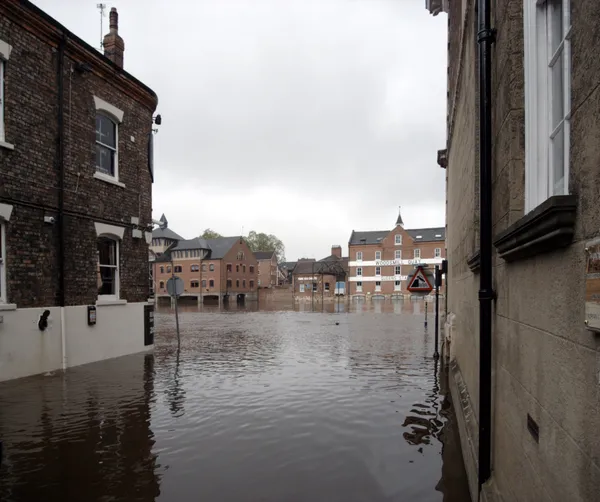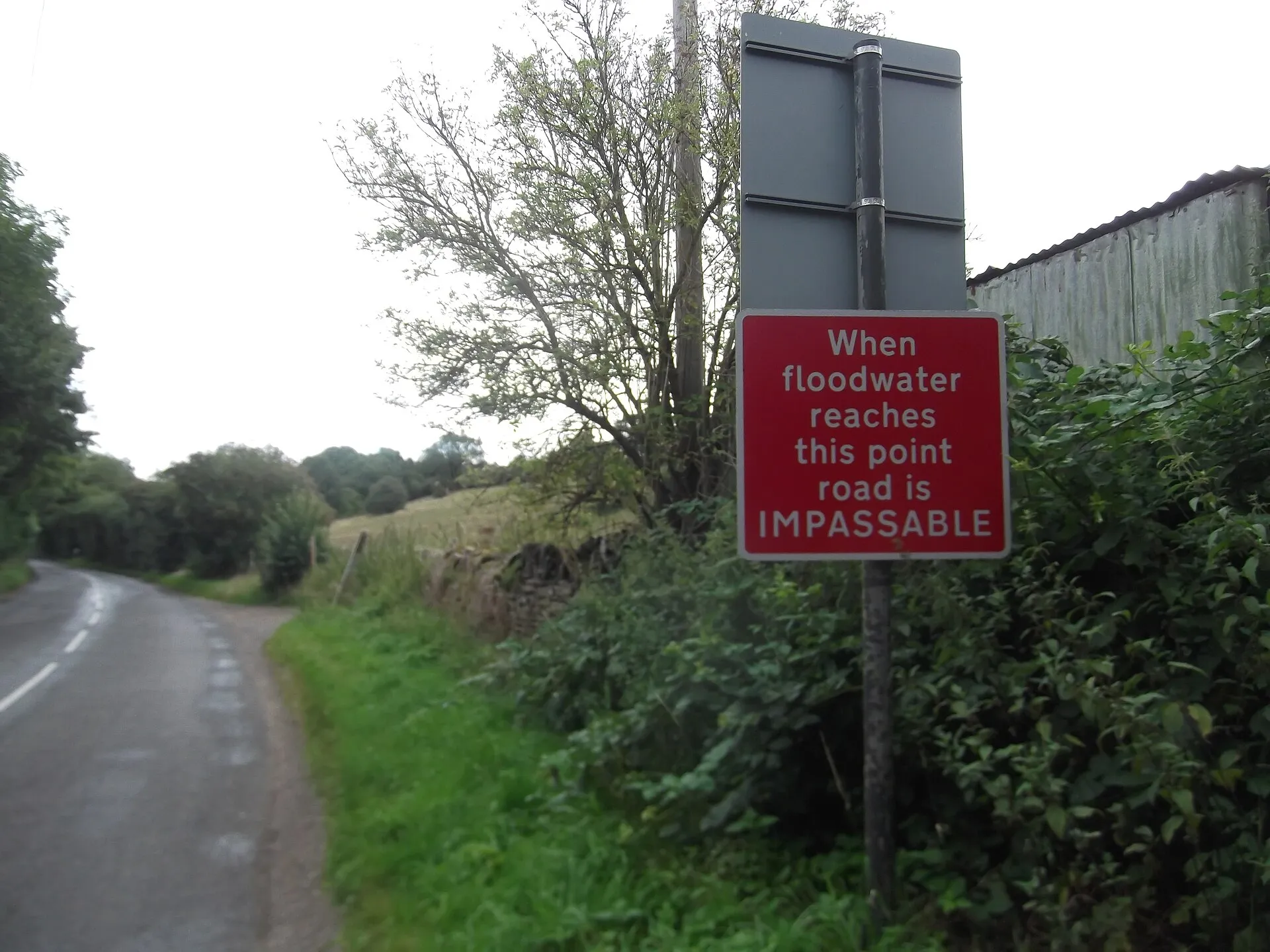
When you get a flood warning, move your family, pets and important things upstairs or to higher ground. If it is safe, turn off your gas, electricity and water. Do not walk, cycle or drive through flood water. If you are told to leave, go.
A flood alert is the earlier, lower level: it asks you to get ready, not to move yet.
What to do when you get a flood warning
-
Move people, pets and important things up
Go upstairs or to higher ground. Take your valuables and other important items with you. Take pets with you. If you have no upstairs, find a safe place, and be ready to leave.
-
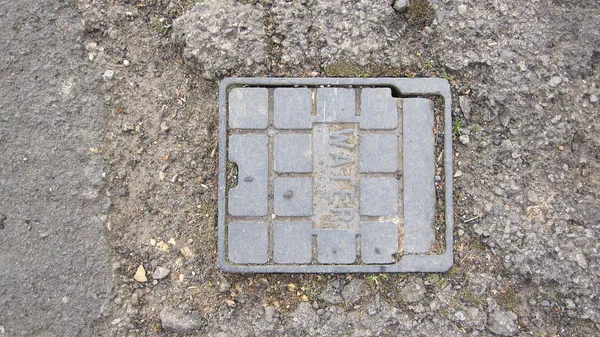
Switch off gas, electricity and water if it is safe
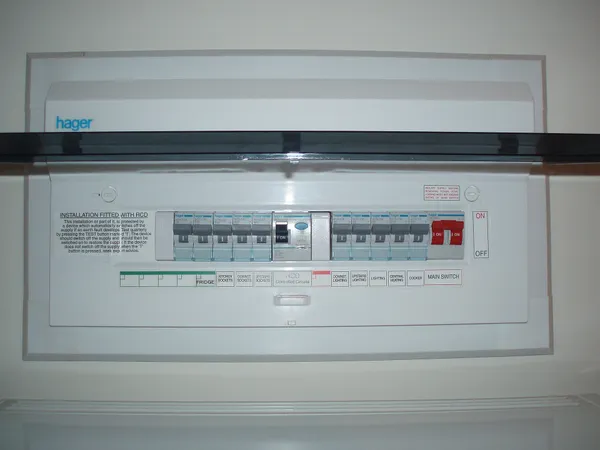
GOV.UK and Natural Resources Wales both say only if it is safe to do so. Never touch a switch or plug while you are standing in water. Your main switch is in your fuse box: see your fuse box, explained.
-
Put flood protection in place
Flood gates or other protection equipment, if you have them. In Wales, Natural Resources Wales does not supply sandbags: ask your local authority, which may have some during a flood.
-
Stay out of the water
Do not walk, cycle or drive through flood water. SEPA adds that it could be contaminated.
-
Follow the emergency services
If they tell you to evacuate, leave. If you are in immediate danger, call 999.
Do not put yourself at risk to move cars or belongings. GOV.UK says this for a severe flood warning.
Call 999 if you or someone else is in immediate danger. If you smell gas, ring the gas emergency number: 0800 111 999 in Great Britain, 0800 002 001 in Northern Ireland.
The three warning levels
The Environment Agency (England), Natural Resources Wales and SEPA (Scotland) all use the same three names. Each is a step up.
This diagram in words
Flood alert means flooding is possible, so prepare. Flood warning means flooding is expected, so act now. Severe flood warning means danger to life, so act now.
| Level | What it means | What to do |
|---|---|---|
| Flood alert | Flooding is possible. Be prepared. | Be ready to follow your flood plan. Have insurance documents and medicines ready. Avoid walking, cycling or driving through flood water. |
| Flood warning | Flooding is expected. Act now. | Move people, pets and valuables to a safe place, upstairs or higher ground. Turn off gas, electricity and water if it is safe. Put flood protection in place. |
| Severe flood warning | Flooding could cause danger to life and significant disruption to communities. | Stay in a safe place. Natural Resources Wales adds: with a means of escape. Be ready to leave. Do as the emergency services tell you. Call 999 if you are in immediate danger. |
The actions above are the Environment Agency’s for England. Natural Resources Wales gives the same three levels with similar advice, and its alert advice adds checking local river levels and the five-day flood risk.
What differs in each nation
| Nation | Who issues them | How you get them |
|---|---|---|
| England | Environment Agency: flood alert, flood warning, severe flood warning | Sign up on GOV.UK for text, phone or email. Floodline: 0345 988 1188, 24 hours. |
| Scotland | SEPA: flood alert, flood warning, severe flood warning | Register with Floodline online, or call 0345 988 1188 and select option 2 for Scotland. |
| Wales | Natural Resources Wales: flood alert, flood warning, severe flood warning | Sign up through Floodline, and check the live flood map. Floodline: 0345 988 1188. |
| Northern Ireland | nidirect gives advice for when heavy rain is forecast in your area. The Met Office works with DfI Rivers and NI Water to forecast areas where floods are likely. | GOV.UK lists no flood warning sign-up for Northern Ireland and points to flood maps. To report flooding, call the Flooding Incident Line: 0300 2000 100, 24 hours. |
Floodline textphone is 0345 602 6340. GOV.UK says you can use Floodline to sign up, update your details or cancel if you are in England, Scotland or Wales. You can also ask Floodline to send warnings to a friend or relative on your behalf.
In Scotland, SEPA says a flood alert can come 2 to 48 hours ahead, and it aims for about 24 hours. It aims to issue a flood warning 3 to 6 hours ahead. A severe flood warning has no fixed lead time. If your home is not in a flood warning area, you can sign up for the more general flood alert for the wider area.
In Wales, the warning service covers around 90% of the properties at risk of flooding from main rivers or the sea. Surface water and small watercourses are not warned for, because flooding from them can be very quick and local, and there is not time to issue a warning. Check your own risk in is your home at risk of flooding.
In Northern Ireland, if the emergency services tell you to evacuate your home, nidirect says you should leave. It adds that refusing puts you, your family and the people trying to help you at risk.
Getting the warning when the power is out
Floodline lets you choose a call, text or email, so pick the way you are most likely to see at any time of day or night. Keep a battery or wind-up radio and spare batteries in your flood kit, as SEPA advises. For travel updates, Natural Resources Wales suggests tuning into your local radio station. Find yours with our radio finder, and see what to do in an extended power cut.
Driving and walking
Do not drive through flood water. The Environment Agency says 30 cm of flood water can move a family-size car. Only move your vehicle to higher ground if it is safe to do so.
For a severe flood warning, GOV.UK says do not walk, cycle or drive through flood water. SEPA also says not to swim in it, or to have any direct contact with it, as it could be contaminated.
Leaving
If the emergency services tell you to evacuate, leave. Take your medicines, insurance papers and anything you need for children or pets.
- In Wales, you will be taken to an evacuation centre run by your local authority. Food and bedding are provided. Bring spare clothing, essential medication and, if you have an infant, baby care items. Most centres let you bring pets: take pet food, and put cats and small animals in a carrier or secure box.
- In England, GOV.UK lists emergency accommodation through your local council.
- Natural Resources Wales says to move to an upstairs room with a window, as an escape route if the emergency services tell you to evacuate. SEPA says to move to higher ground and wait for the emergency services to find you.
After the water goes
- Do not go back until the emergency services say it is safe. In Northern Ireland, nidirect says to return only when you are told it is safe.
- Do not turn on your water, gas or electricity. GOV.UK says to get your utilities company or a qualified engineer to check they are safe. In Northern Ireland, nidirect says a qualified electrician needs to check the electrics and appliances.
- Flood water can contain sewage and hide hazards. Wear suitable clothing and protection.
- Do not eat food that has touched flood water.
- Call your insurer before you start clearing up. SEPA says not to throw anything away until your insurer tells you to.
Flood warnings and weather warnings are different
Met Office weather warnings (yellow, amber and red) are about severe weather. Flood warnings come from the Environment Agency, Natural Resources Wales or SEPA. See getting ready for a storm.
Troubleshooting
The warning came at night
Act on it as you would in the day: move people, pets and medicines upstairs first. Switch off gas, electricity and water only if it is safe.
My home has no upstairs
Natural Resources Wales says to find a safe place and that you may have to leave if it is safe to do so. Call your local council about emergency accommodation.
I smell gas
Great Britain: call 0800 111 999. Northern Ireland: call 0800 002 001.
I am not sure which level applies to me
Check the live flood map, or call Floodline on 0345 988 1188 (England, Scotland, Wales). In Northern Ireland, use nidirect’s advice for when heavy rain is forecast.
Sources and last checked
Last checked 27 October 2026. Make your flood plan part of your household plan.
Sources
- GOV.UK: Flood alerts and warnings, what they are and what to do
- GOV.UK: Get flood warnings
- GOV.UK: Check for flooding
- GOV.UK: Prepare for flooding
- GOV.UK: What to do before or during a flood
- GOV.UK: After a flood
- Environment Agency blog: 5 things I didn’t know about flooding before I worked for the Environment Agency, 19 February 2018
- SEPA: About flood alerts and warnings
- SEPA: Sign up to Floodline
- SEPA: Live flood information
- SEPA: Before, during and after a flood
- Natural Resources Wales: What to do in a flood
- Natural Resources Wales: How we forecast floods, issue warnings and assess flood risk
- nidirect: What to do if a flood happens
- nidirect: Severe weather, storms, flooding and drought
- nidirect: Energy, power supply and utilities
- HSE: Domestic gas, frequently asked questions
- Met Office: UK weather warnings
- Photo: flood warning sign on Welford Road, Eirian Evans, Wikimedia Commons, CC BY-SA 2.0