Keep a pet bag where you can grab it: food, water, a carrier or lead, medicines and your pet’s microchip details. In a power cut, make sure your pet has fresh water and a warm place to rest. When a flood is forecast, move small animals upstairs with food and fresh water, and if you are told to leave, take your pets with you if you can.
Get a pet bag ready
Be Ready lists pet food, and bottled water for your pet, in its emergency kit. The Red Cross says an at-home kit should include any pet supplies you need. Charities such as PDSA say to pack a bag you can pick up in a hurry.
How much food. PDSA says 2 to 3 days of food is plenty for a grab bag, until you can get more. Its flood page says to keep a bag of emergency pet supplies including a week’s worth of sealed pet food. To work out how many meals to pack, multiply the days you want to cover by the meals your pet eats in a day.
Water. Be Ready says more water might be needed for pets, on top of 3 litres per person per day for 3 days. See Home water storage for how to plan your store.
PDSA and RSPCA advice applies across the UK. SEPA, in Scotland, adds that you should keep portable pet carriers and leads close at hand. The USPCA, in Northern Ireland, says to keep a disaster kit ready with extra feed, medications and bedding. Put the bag’s location in your household plan.
If the power goes off
For most pets, the main jobs are fresh water, food and somewhere warm to rest.
- Give them a blanket. The RSPCA says pets seek warmth and shelter in winter, and curl up on blankets. PDSA says a blanket can keep a pet warm and comfy, and suggests a coat for a dog if you have one.
- Watch for shivering. The RSPCA says pets shiver when they are exposed to low temperatures for too long, and that this is more noticeable in smaller and short-haired breeds.
- Keep fresh water in reach. The RSPCA says pets should always have access to fresh drinking water. For your own water supply, see Preparing for power cuts and Extended power cuts.
- Birds need a plan. The RSPCA tells owners to plan for power outages, especially in rural areas, and how they will keep a pet bird warm. It says birds can be at risk of getting cold if the temperature drops below 10°C. It suggests keeping the cage away from radiators and draughts, and using a cage cover to hold in heat. If your bird fluffs up a lot, buries its beak in its chest or seems lethargic, the RSPCA says it may be too cold.
- Tropical fish rely on a heater. The RSPCA says tropical fish must have a tank heater set to the right temperature for the species, and that heaters can fail, so check the temperature every day with a thermometer. Ask an aquatic vet what your tank needs if the power goes off.
When a flood is forecast
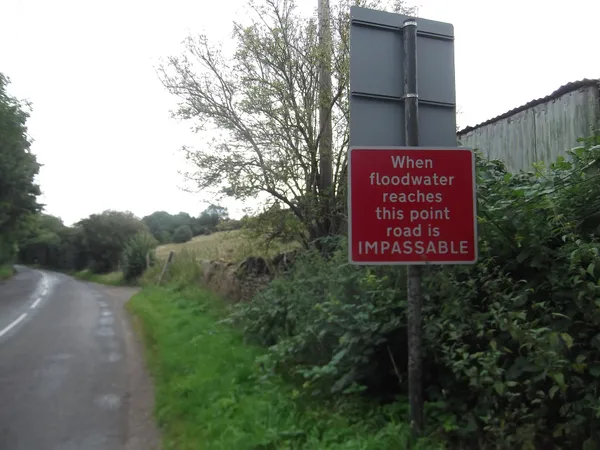
Act on the warning. The RSPCA says floodwater can rise rapidly, so don’t just hope for the best. For what each flood warning level means, and for Floodline, see When a flood warning is issued.
This diagram in words
Upstairs, one room holds the pets, including dogs, their food, bedding and fresh water, a carrier and lead within reach, and a watertight bag with microchip numbers, vet and vaccination details and a photo of the pet. Downstairs, floodwater may reach the ground floor, and dogs should be kept well away from it.
-
Bring pets inside
The RSPCA says to bring all small animals inside and, if possible, move them upstairs. PDSA adds that pets that live outdoors should come in if floodwater comes into your home or is likely to.
-
Put their things somewhere dry
Move food, bedding and fresh water somewhere dry. The RSPCA suggests keeping favourite toys dry too, as they may comfort your pet.
-
Bag the paperwork
Seal microchip numbers, vet and vaccination details in a watertight bag, with a photo of your pet in case they get lost.
-
Keep dogs away from the water
PDSA says not to take your dog outside until it is safe, and to keep it well away from floodwater, because hidden objects could injure it. Keep cats in, with a litter tray.
-
Know where you would go
Work out now where your pets could stay if you have to leave, and who could help you move them. The RSPCA says to keep phone numbers of people who can help.
Do not try to rescue animals from floodwater yourself. The RSPCA says to call it on 0300 1234 999 between 8am and 6pm, or the Fire and Rescue Service on 999, if animals are stranded or in danger. The Welsh flood agency, Natural Resources Wales, gives the same RSPCA number.
Floodwater is often contaminated and could harm a pet if swallowed, says PDSA. It says dog vaccinations protect against leptospirosis, a disease caused by bacteria found in and around water, including floodwater, and that it can be fatal. Check that your dog is up to date with its vaccinations.
If you are told to leave
If the emergency services tell you to evacuate, leave. Take your pets and their supplies with you if you can.
-
Take the bag, and your pets with it
PDSA says to take your pets and their emergency supplies with you.
-
Put cats and small pets in carriers
Natural Resources Wales says to put cats and small animals in a carrier or secure box. PDSA says never to leave pets unattended inside a carrier in a flooding situation.
-
Check your dog's collar and tag
PDSA says to check your dog has a collar and ID tag on before you leave. It says dogs should stay on a secure lead.
-
Go somewhere on higher ground
PDSA suggests a friend or relative’s home on higher ground, if possible.
Only Wales’s flood agency says whether evacuation centres take pets, so plan a second place for your pets.
| Nation | What the flood agency says about pets | Evacuation centres |
|---|---|---|
| England | GOV.UK: when a flood warning is issued, move your family, pets and important items to safety, for example upstairs or to higher ground. | GOV.UK says you may be asked to evacuate. PDSA suggests planning where your pets can stay, for example with friends or relatives, or in a boarding kennel. |
| Scotland | SEPA: move pets and animals to a safe place and make sure they have enough food and water. | PDSA suggests planning where your pets can stay, for example with friends or relatives, or in a boarding kennel. |
| Wales | Natural Resources Wales: move family, pets and valuables to a safe place. | Most evacuation centres will let you bring your pets. Take pet food. |
| Northern Ireland | nidirect: be ready to move cars, pets, food, valuables and important documents to safety. | PDSA suggests planning where your pets can stay, for example with friends or relatives, or in a boarding kennel. |
Your insurer may move you into temporary accommodation that cannot take pets, says PDSA. It suggests being ready to use a boarding kennel or pet sitter, and knowing which are nearby. It also suggests checking whether your home insurance covers the cost of pet accommodation.
If you have no choice but to leave your pets behind, PDSA says to follow the emergency services’ advice. Leave them in a safe room upstairs with plenty of food and water, and put a notice on your door or windows to say there are pets inside. Once you are safe, PDSA says to contact the RSPCA or a local flood warden to tell them animals need rescuing.
Storms and frightened pets
Storms scare pets, and PDSA says sudden loud noises can make a dog panic and run away. PDSA and the USPCA give these steps.
- Check the ID. A dog should wear a collar with an ID tag, and its microchip details should be up to date.
- Skip the walk in a severe warning. PDSA says that if extreme weather warnings are in place, skip the walk and stay indoors with your dog. The USPCA says not to take pets out for a walk in a red alert. See Getting ready for a storm for what the warnings mean.
- Shut out the noise. Close windows and curtains, and play music or put the TV on in the room your pet is in.
- Give them a den. PDSA says a dog may like a den with cosy blankets, and that a crate door should be left open so the dog does not feel trapped. It says to avoid leaving your dog unsupervised.
- Keep cats in. PDSA says to lock cat flaps and shut windows and doors, with a litter tray available. Cats often feel secure when high up, so a shelf or the top of a cupboard may be a good spot.
- Move hutches. For rabbits and guinea pigs, PDSA suggests moving the hutch into a well-ventilated, enclosed outbuilding, such as a car-free garage or shed, or bringing the pets inside.
Hot weather
Never leave a pet in a car, conservatory, outbuilding or caravan on a warm day, even for a short while. The RSPCA says that when it is 22°C outside, a car could reach 47°C within an hour. In those places, it says, temperatures can quickly rise to levels that can be deadly.
- Give shade and water. The RSPCA says to make sure pets have shade and constant access to fresh water, and suggests damp towels to lie on.
- Call 999 for a dog in distress in a hot car. The RSPCA says to dial 999 at once if the dog shows signs of heatstroke. The RSPCA says it may not be able to attend quickly enough and has no powers of entry. In Scotland, the Scottish SPCA says to call Police Scotland on 999 if a dog looks distressed or is showing signs of heatstroke. It also says dogs in hot cars can overheat in minutes, and that a bowl of water or an open window is not enough.
For keeping your home cool, see Heatwaves at home.
Cold weather and snow
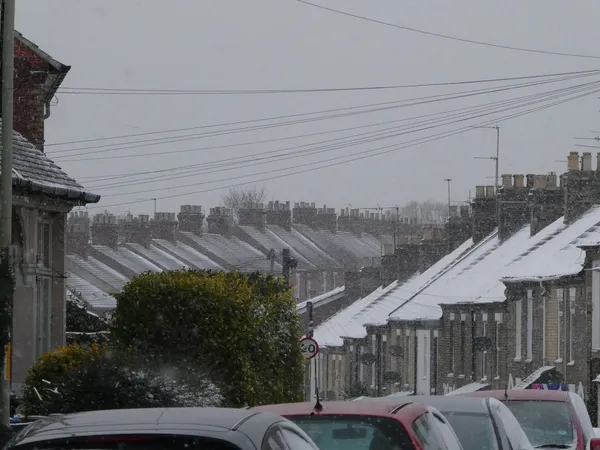
- Keep pets warm and dry. The RSPCA says cold, wet conditions can chill pets. Short-coated pets are more at risk. If a pet gets wet, dry it thoroughly.
- Watch the ground. The RSPCA says snow can hide hazards, so supervise pets closely off the lead. Ice on ponds and lakes may not hold your pet’s weight.
- Wipe their paws. The RSPCA says antifreeze and rock salt can be fatal to dogs and cats if they lick them off paws or fur. Wipe feet, legs and tummy after a walk.
For a cold home and frozen pipes, see Snow, ice and frozen pipes.
Keep microchip details up to date
A microchip only helps if the details behind it are right. GOV.UK says you are responsible for keeping your pet’s microchip information up to date, for example if you move house. Contact the database your pet is registered with. You might be charged a fee. If you do not know which database that is, a vet, dog warden or rescue centre can scan your pet for the number.
| Nation | Dogs | Cats |
|---|---|---|
| England | Must be microchipped and registered by 8 weeks. | Must be microchipped and registered by 20 weeks, including cats that stay indoors. |
| Scotland | Must be microchipped by 8 weeks. You must keep your details up to date. | GOV.UK says you can choose to microchip your cat. |
| Wales | GOV.UK: all dogs in the UK must be microchipped and registered by 8 weeks. | GOV.UK says you can choose to microchip your cat. |
| Northern Ireland | GOV.UK: all dogs in the UK must be microchipped and registered by 8 weeks. | GOV.UK says you can choose to microchip your cat. |
The RSPCA, PDSA, USPCA and Cats Protection all mention microchip details in their flood or storm advice. PDSA says that if you and your pet are separated, correct contact details make it more likely you will be reunited.
Who to call about an animal in danger
| Nation | Who | What to do |
|---|---|---|
| England | RSPCA | Call 0300 1234 999 between 8am and 6pm, or the Fire and Rescue Service on 999, if animals are stranded or in danger. Do not rescue them from floodwater yourself. |
| Scotland | Scottish SPCA | Call 03000 999 999 (open 9am to 5pm every day) to report a trapped animal or one that needs help. For a dog in a hot car, also call Police Scotland on 999. |
| Wales | RSPCA | Natural Resources Wales lists the RSPCA emergency number: 0300 1234 999. Do not put your life or someone else’s in danger to rescue an animal. |
| Northern Ireland | Local council, and the USPCA | The USPCA says to contact your local council about the welfare of domestic pets, and your local vet in an emergency outside office hours. |
Troubleshooting
My pet is frightened and will not settle
Close the windows and curtains, and play music or put the TV on. Give a dog a den with the crate door open, and stay with it if you can. A cat may feel safer on a high shelf. See the storm steps above.
My pet got wet or came in from the cold
The RSPCA says wet coats or feathers can lead to hypothermia. Dry your pet thoroughly. Wipe paws after walks in the cold, because of antifreeze and rock salt.
My cat has gone missing
Have your cat’s microchip number and a good photo ready in case your cat goes missing. The RSPCA and PDSA both say to keep a photo of your pet with its microchip details. Check that your contact details are right with the microchip database.
I cannot take my pets where I am going
PDSA says a boarding kennel or pet sitter may be needed if your insurer moves you into temporary accommodation. Work out which are nearby before you need one. In Wales, most evacuation centres will let you bring pets.
Sources
- Be Ready: Power cuts
- Be Ready: Be ready for emergencies
- Be Ready: Water supply interruptions or outages
- Be Ready: Flooding
- British Red Cross: What to do in a power cut
- GOV.UK: What to do before or during a flood
- GOV.UK: Get your dog or cat microchipped
- SEPA: Before, during and after a flood
- SEPA: Flooding guide for older communities
- Natural Resources Wales: What to do in a flood
- nidirect: What to do if a flood happens
- mygov.scot: Microchipping your pet
- RSPCA: Keeping animals safe during floods
- RSPCA: Keep pets safe in cold weather
- RSPCA: Caring for your pet bird in winter
- RSPCA: Choosing an aquarium for pet fish
- RSPCA: Animal welfare advice for summer
- RSPCA: Dogs die in hot cars
- PDSA: What to put in an emergency pet bag
- PDSA: Flood safety for pets
- PDSA: Keeping pets safe in stormy weather
- Cats Protection: How to keep your cat safe during a storm
- Scottish SPCA: Dogs die in hot cars
- Scottish SPCA: Report animal cruelty or neglect
- USPCA: Storm Eowyn warning, advice for pet and farmed animal owners
- USPCA: Report cruelty
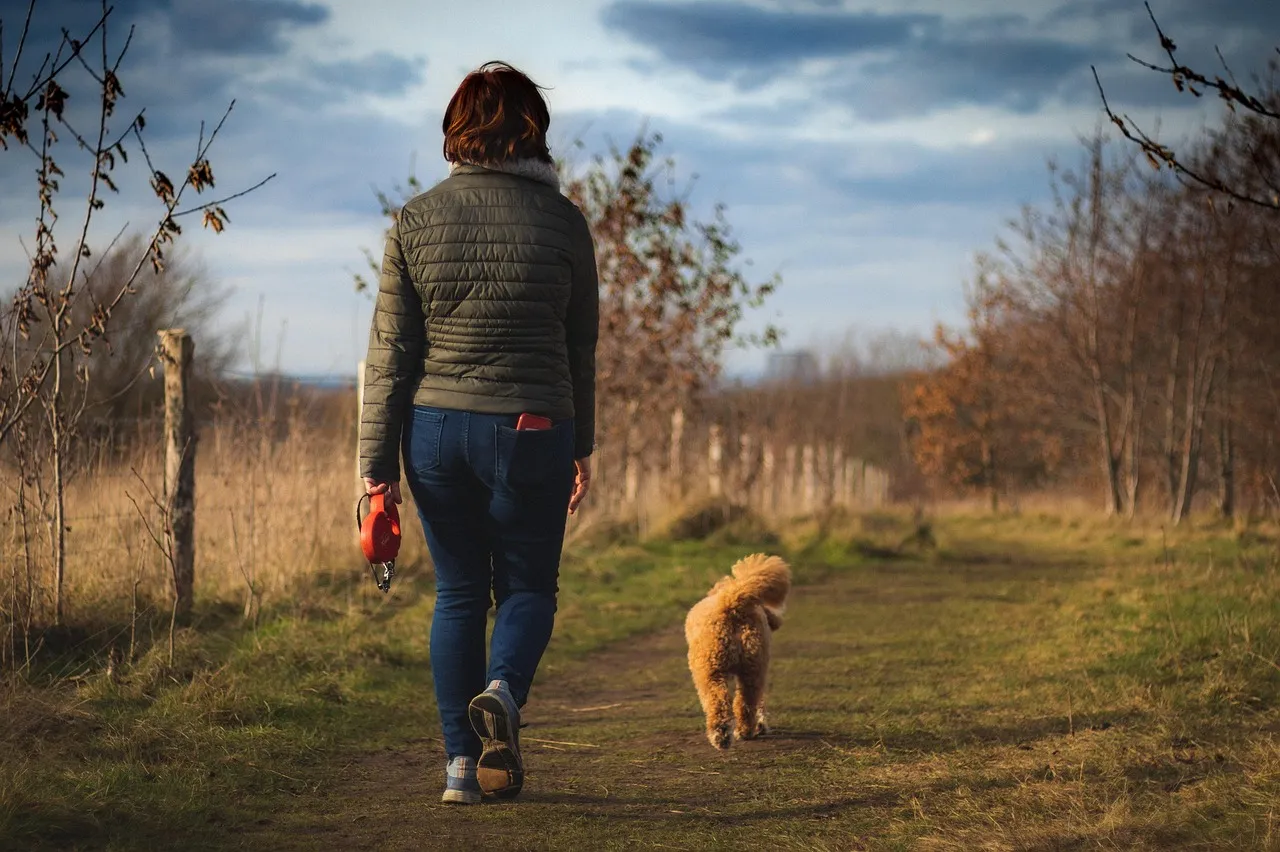
- Photo: dog walk near Epsom, willea26, Pixabay