When the water stops, start with the safe fluids you already have: the cold kitchen tap for as long as it keeps flowing normally, bottled water and other drinks you have stored. Water held in a loft tank, a hot water cylinder or a water butt is a back-up, and each one needs a decision before you use it. This guide sets out which is which.
What to do first
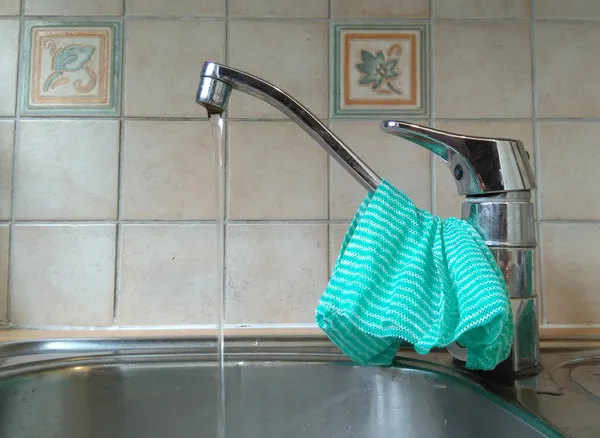
- Drink from the cold kitchen tap while it still flows normally. The UK Chief Medical Officers say that while water from your cold tap is still flowing normally, it remains safe to drink.
- Use bottled water next. Be Ready says bottled water is the safest way to prepare for water outages. Other safe drinks include soft and fizzy drinks and juice from tinned fruit. Do not drink milk or fresh fruit juice that smells as though it has gone off.
- Keep your water for drinking, washing your hands and preparing food while supplies are limited.
- Leave the hot taps alone. Welsh Water says not to use hot water from the taps in a cut if you have a tank and cylinder or a combi boiler. See the hot water section below.
- Only when safe fluids run out, turn to the other water in your home and make it safer first. The rest of this guide covers how.
For how much to store, see home water storage. For boil notices, bottled water stations and what to do about toilets, see when the water supply is cut.
Where the water in your home comes from
Which taps give you mains water depends on how your home is plumbed. The Drinking Water Inspectorate (DWI) says that ideally you should only use a tap connected to the mains water supply for drinking. In older houses the kitchen cold tap may be the only tap connected directly to the mains. In newer homes, especially those with unvented heating systems, all the hot and cold taps are likely to be supplied directly under mains pressure.
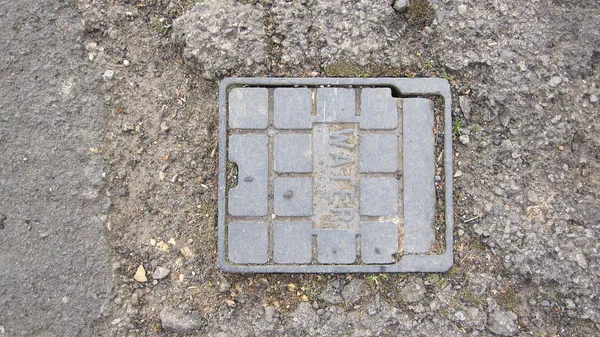
The stopcock is usually under your kitchen sink. Scottish Water says the same of the stop valve that controls the water into the house in most households.
To tell whether a tap is fed from a tank, use the DWI’s test. Open the tap fully and put your thumb over the outlet. If you can hold back all the water, the tap is likely supplied from a tank, not the mains.
This diagram in words
In an older house, the kitchen cold tap may be the only tap connected straight to the mains, and other taps may be fed from a tank. In a newer home, especially one with an unvented heating system, every hot and cold tap is likely to come straight from the mains.
| Source | Drinking | What else, and what to know |
|---|---|---|
| Kitchen cold tap, mains-fed | Yes, while it flows normally (UK Chief Medical Officers) | The DWI recommends a mains tap for drinking. If the supply has just come back and the water is discoloured, run it until it clears |
| Other cold taps fed from a loft tank | The DWI prefers a mains tap for drinking | The tank is also a reserve. Use as little as you can to make it last |
| Loft cold water tank | The DWI sets conditions: properly designed, correctly installed and kept in good condition | The DWI recommends yearly checks if it supplies drinking water |
| Hot taps and hot water cylinder | Only after extra steps, and only once other safe fluids have run out (UK Chief Medical Officers) | Welsh Water says not to use hot water from the taps in a cut if you have a tank and cylinder or a combi boiler |
| Water butt or rainwater | Be Ready says do not drink it: it could contain bacteria or disease | Be Ready says it can be used for flushing toilets or watering plants |
| River, lake or stream | A last resort, after extra steps. River water is much less safe (UK Chief Medical Officers) | See making water safer to drink below |
Your loft cold water tank
Some homes have a cold water storage tank in the loft. The DWI says that water stored in one is safe to use if the tank is properly designed, correctly installed and kept in good condition. If the tank supplies water you drink, the DWI recommends checking the condition of the tank and the quality of the water every year.
Check now, before you need it:
- Look for a close-fitting lid and covered vents. The DWI says a tank needs a secure lid and screened vents.
- Check that the tank is away from sunlight and heat sources.
- Ask for help to clean it. The DWI says to use a WaterSafe registered plumber, or ask your water company.
- If you rent, the DWI says the building owner is responsible for the plumbing system. Ask your landlord or managing agent.
In a cut, Be Ready says that keeping water use to a minimum makes alternative sources, such as water tanks, last longer.
The hot water cylinder and your heating
Welsh Water gives its customers this advice for a system with a cold water storage tank and a hot water cylinder:
- If the tank is full, it is safe to run your central heating, but you should not use your hot water. The system may give a limited amount of hot water after the supply is cut off, but you risk running the tank dry. If that happens, it will create an airlock when the water comes back on.
- If the tank has run dry, do not use your central heating or your hot water. Welsh Water says this could cause the hot water cylinder to collapse.
- With a combi boiler, you can use your heating, but you must not use any hot water from the taps.
- With Economy 7, turn the immersion heaters off.
- With a back boiler on a fire, do not light the fire while the water is off.
If you are unsure of anything, Welsh Water says to contact a qualified heating engineer.
The UK Chief Medical Officers’ plan for a national power outage lists water from hot water taps as a source you can drink, but only once safe fluids have run out and only after the steps below. Scottish Water gives its own advice for planned work: with a combi, system or conventional boiler, the heating can be used as normal. For other advice, ask your water company.
Welsh Water says not to use hot water from the taps in a cut if you have a tank and cylinder or a combi boiler. With a tank and cylinder, you risk running the tank dry.
A water butt
Do not drink water from a water butt. Be Ready says it could contain bacteria or disease. It can be used for flushing toilets or watering plants.
The UK Chief Medical Officers’ plan for a national power outage does list rainwater and water from butts as sources you can drink, but only if you have run out of safe fluids and take the extra steps below.
Making water safer to drink
Alternative sources, such as rainwater or a river, need extra steps. Be Ready says that boiling, or adding water purification tablets, can help make it safer to drink in an emergency. The UK Chief Medical Officers give the steps below. The DWI adds the rolling boil and how to cool and store boiled water, and Be Ready adds the notes on tablets:
-
Use a clean container
Do not use a container that used to hold chemicals such as fuel or paint.
-
Check that the water looks clean
If there is an oily film on top, do not drink it.
-
Filter it
Use a coffee filter, a pillowcase or a bedsheet. Pour the water through, throw away any solid bits, and repeat until the water runs clear.
-
Boil it, or use tablets
Boil the water until it reaches a rolling boil, or use water purification tablets that are in date. Tablets come in different strengths, so follow the label. Be Ready says most alternative water needs filtering before you use tablets.
-
Let it cool and store it
Take it off the heat and let it cool naturally. The DWI says to keep boiled water in a clean container in the fridge and to throw it away if you have not used it within 24 hours. Boiling water can cause scalds.
Use boiled water for drinking, brushing teeth, making ice cubes and preparing food, the DWI says. Scottish Water adds cleaning dishes, utensils and worktops, and says not to use water that has been boiled several times over.
For washing and the toilet, the DWI says water that needs boiling for drinking is still fine to shower and bathe in if it stays out of your mouth, and you can wash clothes and flush the toilet as normal. That is advice for a boil notice on mains water.
For a baby’s formula, the NHS says to use fresh tap water boiled once, left to cool for no more than 30 minutes so that it stays at or above 70°C. Bottled water is not usually recommended, but the NHS says you can use it in rare circumstances, such as when drinking water is unavailable.
What not to drink
- Water from a water butt. Be Ready says do not drink it. The UK Chief Medical Officers list it only after the steps above.
- Water with an oily film on top. The UK Chief Medical Officers say don’t drink it.
- Water collected in a container that used to hold chemicals such as fuel or paint.
- River water, except as a last resort after the extra steps.
- Milk or fresh fruit juice that smells as though it has gone off.
The four nations
The Chief Medical Officers’ script is for a national power outage across Great Britain. The DWI pages do not say which nations they cover. The hot water and heating advice here is from Welsh Water, for its customers, and Scottish Water has given advice for its own planned interruptions. If you live in Northern Ireland, check your water supplier’s advice for your home.
Get ready now
- Find your stopcock. It is usually under your kitchen sink.
- Find out which taps are fed from the mains with the thumb test above.
- Check whether you have a loft tank, a hot water cylinder or a combi boiler, so you know which heating advice applies to you.
- Keep bottled water and other safe drinks. See home water storage.
- Write it down in your household plan, and see preparing for power cuts and extended power cuts.
Troubleshooting
The water came back cloudy or brown
After an outage it is common for water to be discoloured. Be Ready says to run the cold tap nearest your stopcock for a while to see if it clears. Scottish Water says to let the kitchen cold tap run slowly until it runs clear, and not to use washing machines or flush the toilet until it does. If the water looks milky, that is air bubbles: it clears from the bottom upwards, and Scottish Water says it is safe to drink.
I do not know whether my tap is mains-fed
Try the thumb test above. If you rent, ask your landlord or managing agent.
I have a combi boiler and no hot water cylinder
You can use your heating, but Welsh Water says you must not use any hot water from the taps. You have no cylinder to draw from. Rely on the kitchen cold tap while it flows normally, and on the bottled water you have stored.
I have a baby
Formula made from powder needs freshly boiled water, as above. If you cannot boil water, Be Ready says ready-made formula is the safest option. See when the water supply is cut.
The bottled water has run out
Use the cold kitchen tap if it still flows. If it does not, follow the steps above for the water in your home. In Wales, in a prolonged incident, Welsh Water says it publishes the locations of its alternative water stations on its website and social media, and by text, email or phone. See when the water supply is cut.
Sources
- UK Chief Medical Officers: Water and sanitation scripts for broadcast media (national power outage)
- Be Ready: Water supply interruptions or outages
- Drinking Water Inspectorate: Water storage tanks and cisterns
- Drinking Water Inspectorate: Receiving a boil water notice
- Dŵr Cymru Welsh Water: Protecting your heating systems if your supply fails
- Dŵr Cymru Welsh Water: Help and support during an incident
- Scottish Water: Water supply FAQs
- NHS: How to make up baby formula
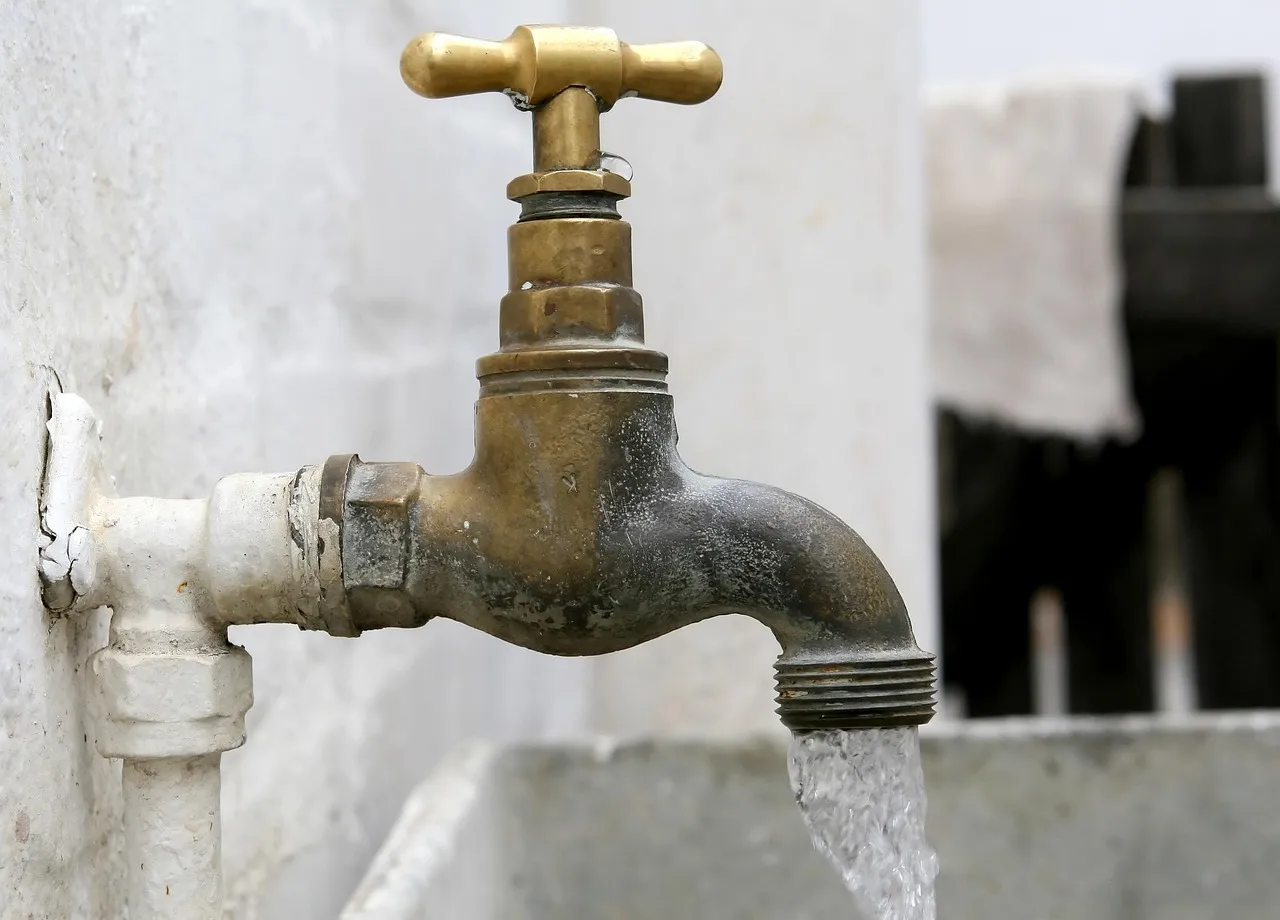
- Photo: outdoor brass tap, Shutterbug26, Pixabay