The government’s emergency advice site, Be Ready, says to know how to turn off your gas, electricity and water. Do that now, while nothing is wrong, and you will not be looking for them in the dark. This walk-round takes you to each one in turn, then checks your alarms, your torch and your radio. Each stop links to the guide with the detail, so this page stays short.
-
Find your stopcock
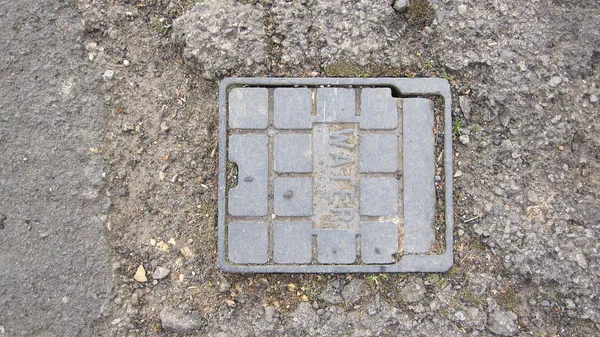
Be Ready says you will usually find the water stop tap inside your home where your water supply comes in, or outside near your property’s boundary under a cover. Note where it is. Finding and turning it is in
finding and using your stopcock
.
-
Find your fuse box
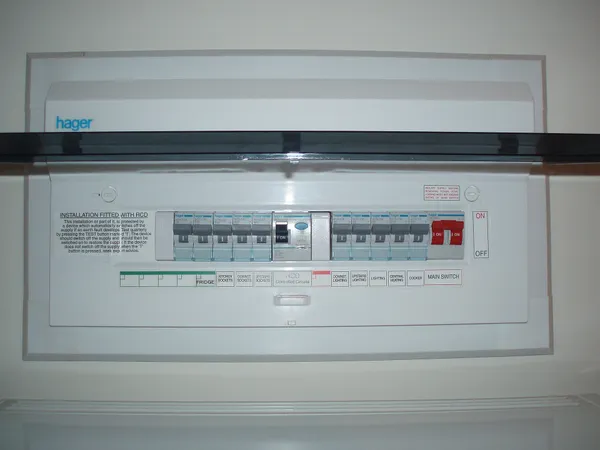
Your fuse box, also called a consumer unit, holds the main switch that turns off the electricity supply to your home. Electrical Safety First says you might have more than one main switch, so find out how many you have and where they are. What the other switches do is in your fuse box, explained.
-
Find your gas meter and the shut-off valve
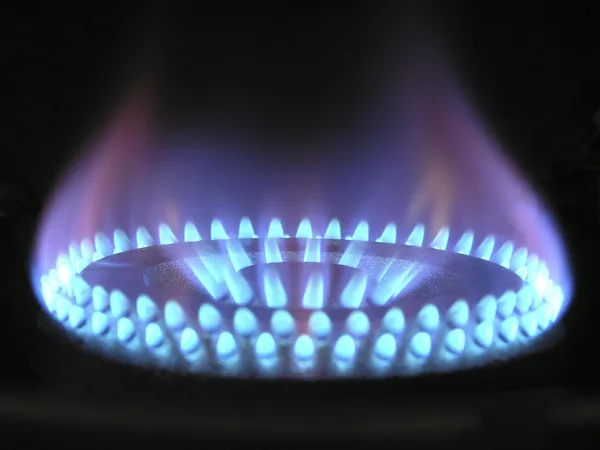
Be Ready says you will usually find the gas shut-off valve next to your gas meter. HSE calls it the meter control valve. Find it now if you have mains gas. What to do if you ever smell gas, and who to call, is in gas in your home.
-
Test your smoke alarms
Press the test button on each one until the alarm sounds. Fire Kills, the Home Office campaign, says to have at least one smoke alarm on every level of your home. The table below shows how often each nation’s fire service says to test.
-
Check your carbon monoxide alarm
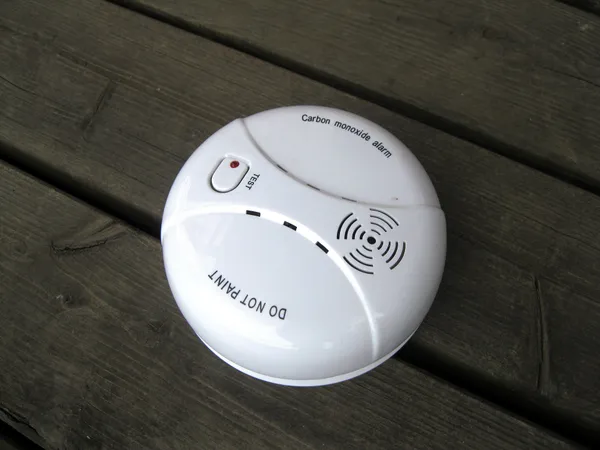
Test it as its maker’s instructions say. HSENI says to follow them for testing. Where to fit one and what to do if it sounds is in carbon monoxide alarms.
-
Put a torch where you can find it in the dark
Be Ready says to keep a battery or wind-up torch, and spare batteries, at home, and that torches are safer than candles. The Scottish Fire and Rescue Service says to keep torches and batteries in an easy-to-find place.
-
Find your radio
Be Ready says to keep a battery or wind-up radio, and spare batteries, at home, because there might be updates on the radio during a power cut. Write the frequencies of the stations you use on paper and keep them with the radio. The radio finder lists stations by area. For keeping your phone charged, see
keeping your phone going
.
-
Write it all down
Note where each shut-off is, and when you tested your alarms. Be Ready says to write down the number to report a power cut: 105 in England, Scotland and Wales, and 03457 643 643 in Northern Ireland. Keep the notes in your household plan, or with your torch and radio.
How often to test your smoke alarms
Fire services in the four nations give different advice. Follow the one for where you live.
| Nation | How often | Who says so |
|---|---|---|
| England (Fire Kills, Home Office) | At least monthly | Fire Kills, a Home Office campaign |
| Scotland | Every week | Scottish Fire and Rescue Service |
| Wales | Once a week | South Wales Fire and Rescue Service and Mid and West Wales Fire and Rescue Service |
| Northern Ireland | Weekly | nidirect, in the Northern Ireland Fire and Rescue Service "STOP Fire" message |
Mains-powered alarms normally have a back-up battery in case of a power cut, as South Wales Fire and Rescue Service says. In Northern Ireland, nidirect says to change that battery according to the manufacturer’s instructions.
Keep your notes
Troubleshooting
I cannot find my stopcock
Look inside your home where your water supply comes in, and outside near your property’s boundary for a cover, as Be Ready describes. Finding and using your stopcock has more help.
I cannot find my gas shut-off valve
Look next to your gas meter. If you cannot find it, read gas in your home before you need it.
A smoke alarm does not sound when I press the test button
Fire Kills says to replace the battery, or possibly the alarm itself. The Scottish Fire and Rescue Service says to fit a new battery, and if it still does not sound, a new alarm.
A smoke alarm chirps
Fire Kills says that an alarm chirping regularly needs its battery replaced immediately. Never take the batteries out of an alarm that has gone off by mistake, unless you are replacing them.
Sources
- Be Ready: Flooding
- Be Ready: Power cuts
- Electrical Safety First: Electricity made easy
- HSE: Domestic gas, frequently asked questions
- Fire Kills (Home Office): How to choose, fit and test smoke alarms
- Scottish Fire and Rescue Service: Smoke and heat alarms
- Scottish Fire and Rescue Service: Power cuts
- South Wales Fire and Rescue Service: Smoke alarms
- Mid and West Wales Fire and Rescue Service: Smoke alarm maintenance and problems
- nidirect: Fire safety and prevention
- HSENI: Carbon monoxide alarms
- Photo: hallway and stairs, Brett Jordan, Unsplash