If you smell gas, call the gas emergency number straight away. In England, Scotland and Wales it is 0800 111 999. In Northern Ireland it is 0800 002 001. Both are 24-hour gas emergency services, and the Great Britain one is free to call.
Smell gas in England, Scotland or Wales: call 0800 111 999. In Northern Ireland, call 0800 002 001.
If you smell gas in England, Scotland or Wales
The gas networks SGN and Northern Gas Networks, and the Health and Safety Executive (HSE), each give steps. They differ in order and wording. The list below follows Northern Gas Networks, and the valve step says what each body says.
-
Call 0800 111 999
This is the National Gas Emergency Service, a free 24-hour helpline. Call it if you can smell gas, think there may be a leak, or suspect carbon monoxide.
-
Open all the doors and windows
This helps to ventilate the gas.
-
Put out naked flames and don't smoke
Don’t smoke, vape or strike matches.
-
Don't touch electrical switches
Don’t turn power or light switches on or off, and don’t use any appliance that could cause a spark. SGN says turning a switch on or off could ignite a gas leak.
-
Switch off gas appliances and think about the valve at the meter
Northern Gas Networks says to make sure gas appliances are switched off. On the valve, the bodies differ. SGN says to turn off the gas supply at the meter. HSE says to turn it off if you know where it is. Northern Gas Networks says to turn it off if you are told to, so ask on the call. Don’t go into a cellar to do it.
-
Keep other people away and move outside if you can
If the leak is in a cellar or basement, don’t go in. Leave the property instead.
SGN and Northern Gas Networks both say not to enter a cellar, and SGN adds: even if your gas meter is in it.
If you smell gas in Northern Ireland
nidirect gives three steps, and the number to call.
- Turn off the gas supply at the meter.
- Open all windows and doors.
- Don’t turn any electrical equipment on or off.
Then call the Gas Emergency Service on 0800 002 001 immediately. The Utility Regulator’s consumer guide gives the same number and says to turn off the emergency control valve in the meter box.
| Where you live | Call | What the official advice says to do |
|---|---|---|
| England, Scotland and Wales | 0800 111 999 (National Gas Emergency Service) | Open doors and windows. No flames, no smoking, no switches. Switch off gas appliances. On the meter valve, SGN says turn it off, HSE says turn it off if you know where it is, and Northern Gas Networks says turn it off if told to. Keep out of a cellar. |
| Northern Ireland | 0800 002 001 (Gas Emergency Service) | Turn off the gas at the meter. Open all windows and doors. Don’t turn any electrical equipment on or off. |
What happens when you call
An adviser takes your details, tells you what to do and sends an emergency gas engineer. SGN says the engineer carries ID and needs to come into your home to make it safe.
Have these to hand, from SGN’s list:
- the address
- how many people are there, or in the area
- where the smell is strongest
- how long it has been there
- whether your neighbours are affected
- your name and phone number
- any special circumstances or access information
Northern Gas Networks says an engineer arrives within one or two hours, and stays until the situation is safe. SGN gives its own target: within two hours if you have turned the gas off at the valve, and within one hour if you could not. These are each network’s own figures, so ask the adviser how long yours will be.
If you use British Sign Language, SGN says you can use Convo to contact the National Gas Emergency Service free of charge.
Find your emergency control valve now
Look for it when nothing is wrong, so that you know where it is on the day it matters. The valve is by your gas meter, in the meter box if you have one. GTC says yellow tape on the gas pipe may guide you when you turn it.
The handle is a lever. A quarter turn is all it takes.
This diagram in words
In the first drawing the lever lies along the pipe, in line with it. GTC says this means the gas is on. In the second drawing the lever has been turned a quarter turn, so that it points across the pipe. GTC and Northern Gas Networks say this means the gas is off.
GTC, a gas network, describes it like this: to turn it off, turn the valve a quarter turn, clockwise or anti-clockwise, so the lever is at a right angle to the gas pipe. In line with the pipe means on. Northern Gas Networks puts it the same way: turn the lever 90 degrees so that it sits across the pipe.
GTC asks its customers not to turn the valve off or on unless GTC has specifically asked them to. Other networks may say differently.
GTC says not to turn any appliances back on after you have turned the valve off because of a smell of gas. HSE says that if you suspect an appliance is unsafe, you should turn it off and not touch it until a Gas Safe registered engineer has checked it.
After the call: who does what
The network’s emergency engineer makes the situation safe. Northern Gas Networks says its emergency engineers aren’t covered to repair appliances or internal pipework, so you may need a Gas Safe registered engineer for the repairs. In Northern Ireland, nidirect also says to contact a Gas Safe registered engineer if you are worried about unsafe gas equipment. They can inspect it and make repairs.
HSE says it is illegal for anyone to use a gas appliance if they suspect it is unsafe. Turn it off and don’t touch it until a Gas Safe registered engineer has checked it.
Choosing a Gas Safe registered engineer
- HSE says anyone employed to work on gas appliances in a home must be a Gas Safe registered engineer. HSENI says gas fitters in Northern Ireland must be registered.
- A registered engineer carries a Gas Safe Register ID card. HSE says the back of the card shows what they are qualified to work on, and HSENI encourages you to ask to see it.
- You can check an engineer on the Gas Safe Register website, or by phoning the Gas Safe Register on 0800 408 5500.
- The register covers LPG as well as mains gas.
Having your appliances checked
HSE strongly advises that gas appliances, flues and pipework are serviced at least once a year by a Gas Safe registered engineer.
| Where you live | What the landlord must do | Source |
|---|---|---|
| Great Britain (HSE) | Arrange a gas safety check every 12 months, by a Gas Safe registered engineer, and give each existing tenant a copy of the record within 28 days of the check | HSE |
| Northern Ireland | Arrange an annual safety check for all gas boilers, using someone on the Gas Safe Register, and give the tenant the record within 28 days of each check | nidirect |
Gas in a power cut
Gas ovens and boilers won’t work without power, says Be Ready. That means no heating from a gas boiler. For what to do in a cut, see preparing for power cuts and extended power cuts.
Gas in a flood
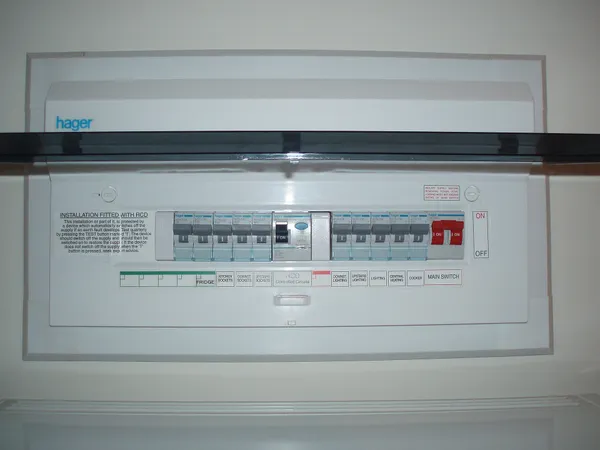
In England, Be Ready says to know where your gas shut-off valve is. If your area has a flood warning or severe flood warning, it says to turn off your gas, electricity and water supplies if it is safe to do so. Don’t touch an electrical switch if you are standing in water.
After a flood, GOV.UK says not to turn your water, gas or electricity back on yourself. Get your utilities company or a qualified engineer to check they are safe first.
Advice in Scotland, Wales and Northern Ireland comes from separate bodies. See when a flood warning is issued.
Gas and carbon monoxide are different
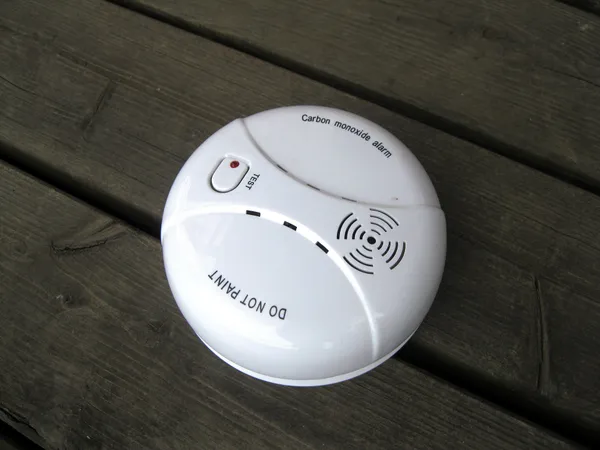
HSE describes carbon monoxide as colourless, odourless and tasteless. For alarms, symptoms and what to do, see carbon monoxide alarms.
Get ready now
- Find your emergency control valve and check which way the lever points when the gas is on.
- Write down the number for your nation: 0800 111 999 in England, Scotland and Wales, or 0800 002 001 in Northern Ireland.
- Note where the valve is in your household plan. The ten-minute walk-round covers the other shut-offs.
- Book a yearly service for your gas appliances with a Gas Safe registered engineer.
- Check your landlord has done the annual check, if you rent.
Troubleshooting
I’m not sure whether it’s gas
SGN says to call the National Gas Emergency Service (0800 111 999) if you can smell gas, you think there may be a gas leak, or you suspect carbon monoxide. In Northern Ireland, if you smell gas, call 0800 002 001.
I can’t find the valve, or I can’t turn it
Call 0800 111 999 (Northern Ireland: 0800 002 001) anyway and say so. SGN says its emergency engineer will be with you within one hour if you are not able to turn the gas off at the valve. Open the doors and windows and stay out of any cellar.
My meter is in a cellar
Don’t go in. SGN and Northern Gas Networks both say not to enter a cellar, even if your gas meter is in it. Call the gas emergency number and tell the adviser.
The engineer says an appliance isn’t safe
Leave it turned off. HSE says to turn it off and not touch it until a Gas Safe registered engineer has checked it. Northern Gas Networks says its emergency engineers can’t repair appliances or internal pipework.
My home runs on bottled or tank gas, or oil
This page has no official smell-gas steps for bottled or tank gas (LPG) or oil. The Gas Safe Register covers LPG (liquefied petroleum gas) as well as mains gas, so you can use a Gas Safe registered engineer for LPG appliances too. HSE says landlord duties for LPG appliances are the same as for natural gas.
Sources
- SGN: What to do if you smell gas
- SGN: Gas safety, help topics
- Northern Gas Networks: Smell gas
- GTC: Gas meters and the emergency control valve
- HSE: Domestic gas, frequently asked questions
- HSE: Carbon monoxide awareness, frequently asked questions
- HSENI: Gas
- nidirect: Energy, power supply and utilities
- nidirect: Gas safety and carbon monoxide
- nidirect: Health and safety in rented accommodation
- Utility Regulator (Northern Ireland): Energy consumer guide (PDF)
- Be Ready: Power cuts
- Be Ready: Flooding
- GOV.UK: What to do after a flood
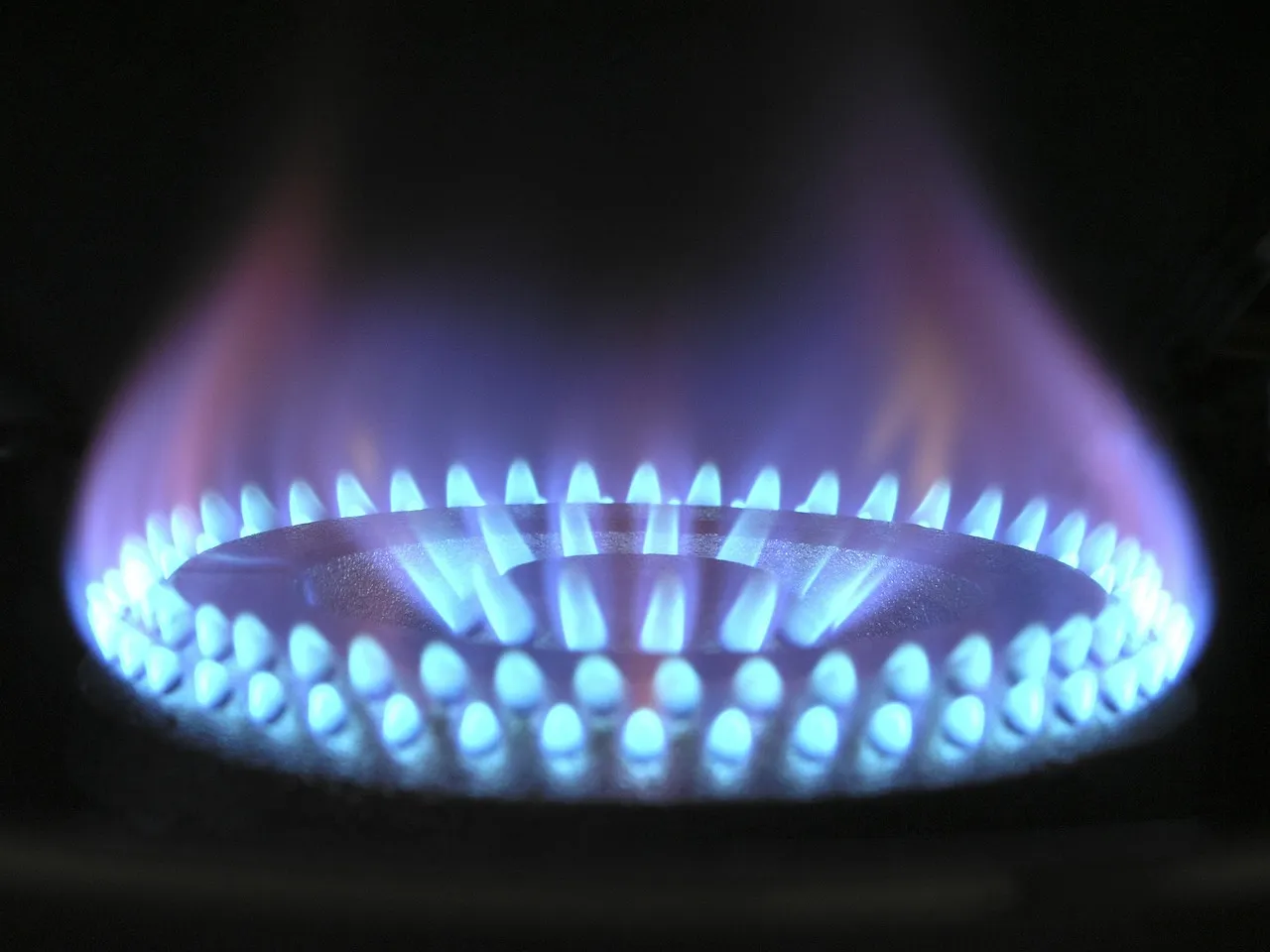
- Photo: gas hob flame, Magnascan, Pixabay